Entertainmentculture & trendsSocial Media Trends
Fizz CEO Explains Appeal of Anonymous Social Media for Gen Z
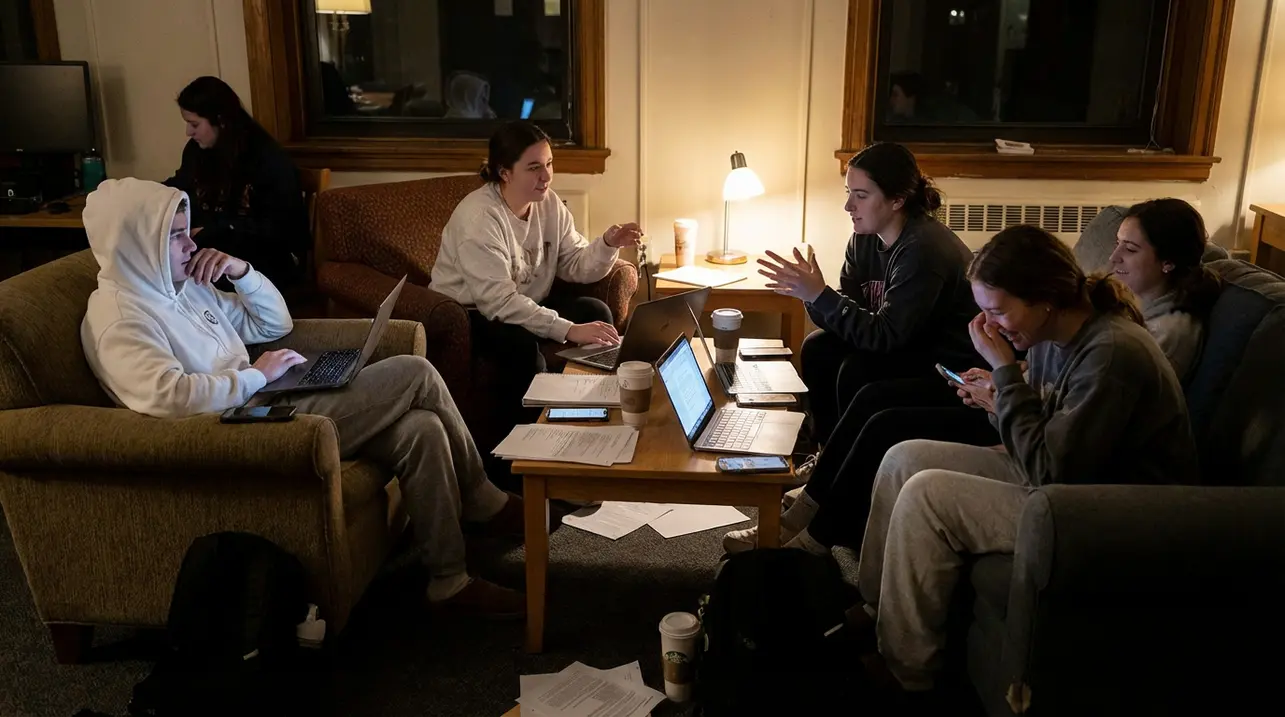
Fizz is betting that Gen Z is tired of performing their lives on Instagram and TikTok. What started as a pandemic-era group chat frustration has turned into the dominant social platform on college campuses across the US, focused on the 99% of life that doesn’t make it into a highlight reel.Capturing the attention of a demographic typically glued to curated feeds is no small feat, and it speaks to a deeper, more fundamental shift in how we conceive of digital community. To understand this, you have to go back to the early 2010s, when the social media contract seemed clear: you traded personal data and a carefully managed persona for connection and validation.Platforms like Facebook and Instagram became our digital yearbooks and family albums, but also our stages. For Gen Z, the first true digital natives, this performance has been a constant backdrop to their entire social development.They’ve witnessed the mental health toll documented in studies linking social media use to anxiety, the pressure of influencer culture, and the exhausting cycle of crafting a 'personal brand' before even leaving college. Fizz, by contrast, emerged from a simple, local need—students at Stanford wanted a way to communicate openly with their campus community without the baggage of identity.It’s a modern digital take on the anonymous campus forum or the bathroom stall graffiti, but with a network effect that has seen it spread to over 250 universities. The appeal is multifaceted.Anonymity, when structured within a closed, verified community like a student body, lowers the social risk of posting. It allows for the kind of raw, unfiltered conversation that disappears on mainstream platforms: asking 'dumb' questions about coursework, sharing imposter syndrome, seeking advice on relationships, or simply posting a funny observation about the cafeteria food.It’s the digital equivalent of the late-night dorm room chat, a space for the mundane, the vulnerable, and the authentically silly. This stands in stark contrast to the highlight-reel economy of TikTok, where every moment is a potential clip optimized for virality, or Instagram, where even 'casual' posts undergo meticulous filtering and curation.Experts in digital sociology point out that Fizz taps into a desire for what they call 'context collapse prevention. ' On a public platform, your audience is everyone—parents, future employers, strangers—forcing a single, polished identity.Fizz’s model, by verifying users as part of a specific college but stripping away their personal identifier, creates a shared context that enables more relaxed, in-group communication. Of course, anonymity is a double-edged sword.
#social media
#anonymous apps
#Gen Z
#Fizz
#college campuses
#lead focus news