AIenterprise aiAI in Logistics
Tariff Turbulence Exposes Blind Spots in Supply Chains and AI
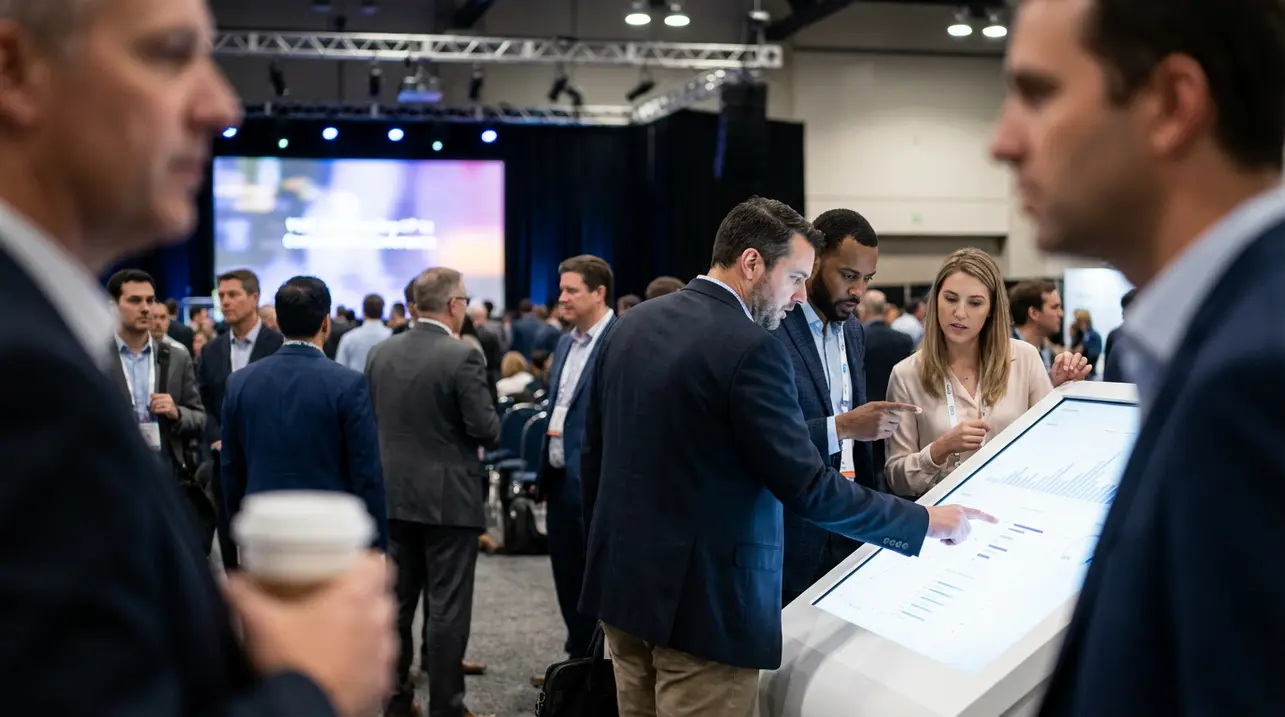
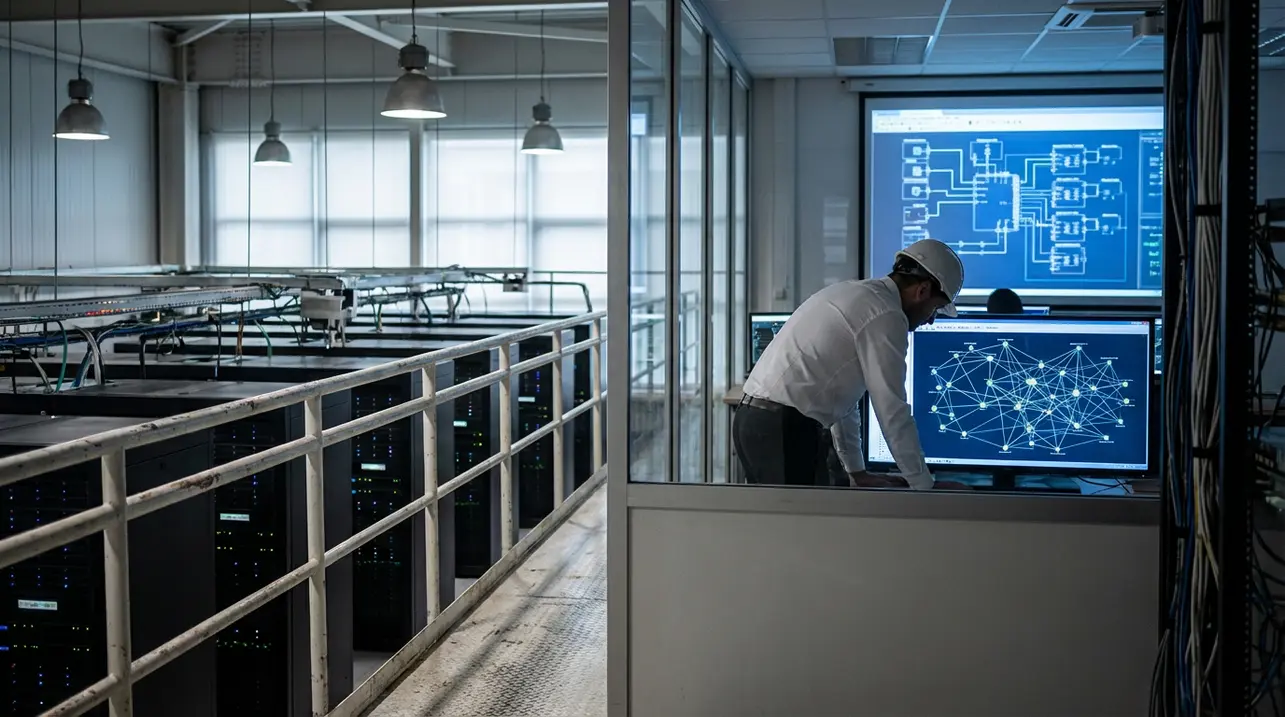
The sudden imposition or adjustment of tariffs has long been a disruptive force in global trade, but in an era defined by algorithmic decision-making and just-in-time logistics, it has evolved into something far more profound: a brutal stress test for the operational integrity of modern enterprises and the artificial intelligence systems they increasingly rely upon. As presented at events like Celosphere 2025, the narrative is no longer about mere cost absorption; it’s a 48-hour race where companies must model complex alternative sourcing scenarios before competitors lock down the best options.This new reality exposes a critical, often overlooked, dependency: advanced AI is only as effective as the underlying process intelligence (PI) that feeds it. Without a real-time, unified view of how work actually flows across disparate systems—from SAP and Oracle to warehouse management and logistics platforms—an AI agent is essentially operating blind, prone to making million-dollar mistakes based on stale or siloed data.Consider the case of Vinmar International, which built a digital twin of its $3 billion supply chain, or Florida Crystals, which unlocked millions in working capital by eliminating manual rework. Their successes aren't just about better software; they're about achieving a holistic, process-centric view that traditional ERP systems, for all their transactional rigor, were never architected to provide.These systems, whether legacy ECC or modern S/4HANA, are data-rich but insight-poor, creating a paradox where leaders are inundated with historical reports yet starved for the predictive clarity needed to answer a simple, urgent question: what happens if tariffs spike 25% tomorrow? This gap is where process intelligence platforms operate, stitching together event logs from across the enterprise to create a living map of dependencies. It’s a foundational layer that makes trustworthy autonomy possible.As Manik Sharma of Celonis notes, the speed of disruption has fundamentally changed. When an autonomous agent is tasked with rerouting a shipment or triggering a purchase order in response to a tariff change, it must understand not just the inventory level in a warehouse, but the contractual obligations with the supplier, the production schedule it impacts, and the customer delivery commitments downstream.A decision that appears locally optimal in one system can cascade into catastrophic disruption elsewhere if that end-to-end context is missing. This is why the industry’s massive migration wave—with an estimated 85-90% of SAP customers still moving to S/4HANA—often fails to solve the core visibility problem.A newer, faster database simply provides quicker access to the same fragmented data. The real innovation, as demonstrated through zero-copy integrations with platforms like Databricks and Microsoft Fabric, is in querying this distributed data in near real-time without the latency of traditional data warehousing, enabling instant scenario modeling.The ultimate implication is that in volatile markets, competitive advantage will belong to those who can compose agile workflows from their existing systems, deploying AI with precision where it creates value. The ‘Free the Process’ philosophy recognizes that rip-and-replace is neither feasible nor desirable.Instead, by layering a dynamic intelligence graph atop legacy architecture, companies can turn tariff chaos from a threat into a strategic weapon, moving in hours, not days. The question for enterprise leaders is stark: when the next policy shift hits, will your AI have the contextual clarity to act, or will it be hamstrung by the very systems it was meant to transcend?.
#supply chain
#process intelligence
#digital twin
#tariffs
#AI agents
#Celosphere 2025
#featured