
Politicscourts & investigations
Kenyan MPs Allege Decades of Abuse by UK Soldiers
AN
Anna Wright
5 months ago7 min read
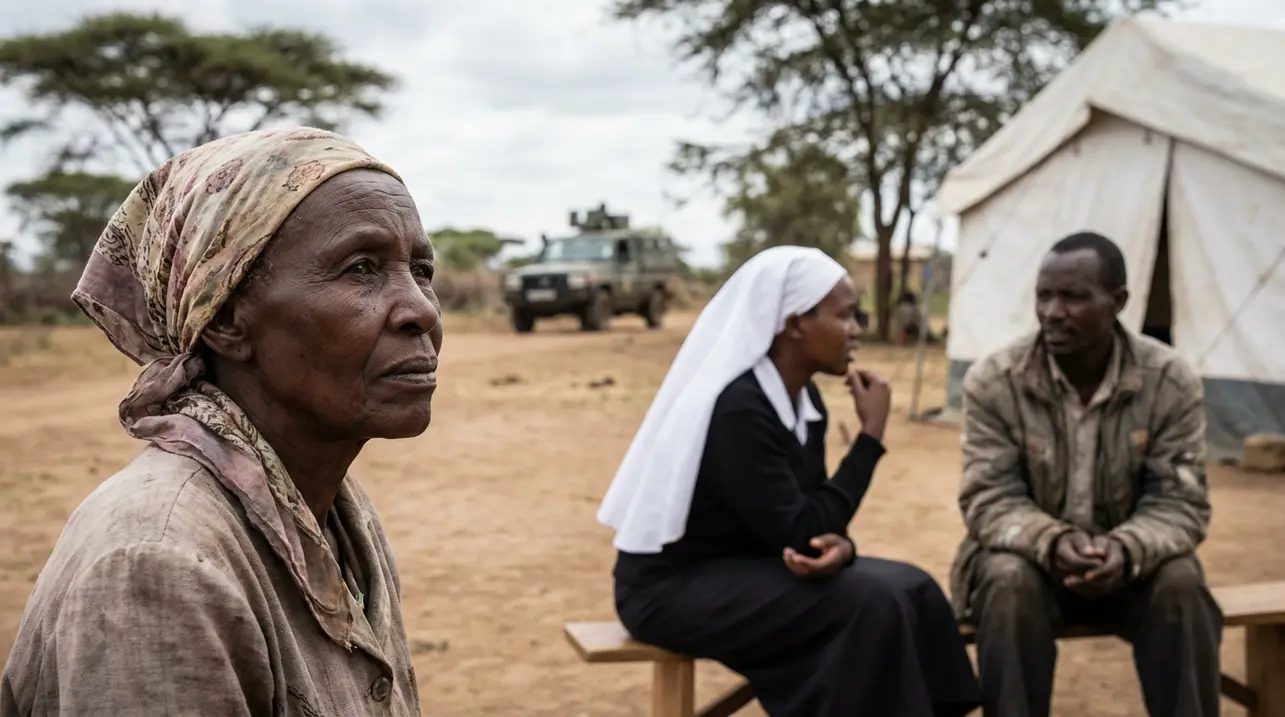
For two years, a meticulous investigation has been unfolding in Kenya, peeling back the polished veneer of a longstanding military partnership to reveal a harrowing chronicle of alleged abuse. The findings, as reported, are not merely statistics or diplomatic incidents; they are a litany of human suffering—accounts of rape, sexual violence, murders, and environmental destruction—that activists and victims claim have been perpetrated by British soldiers stationed in the country over decades.This isn't just a story about military misconduct; it's a profound examination of post-colonial power dynamics, where the ghosts of empire continue to cast long, violent shadows over a sovereign nation. The allegations, if substantiated, paint a picture of a systemic failure, where a culture of impunity allowed horrific acts to be buried under the banner of bilateral cooperation and strategic interest.For context, the British Army Training Unit Kenya (BATUK) has operated in the country since Kenyan independence, a relationship framed as mutually beneficial, bringing investment and security cooperation to regions like Laikipia and Nanyuki. Yet, beneath this official narrative, local communities have long whispered of brutality, their formal complaints often disappearing into a bureaucratic abyss, dismissed as the cost of doing business with a global power.The recent investigation, however, has amplified these whispers into a deafening roar, compiling testimonies that detail not only sexual assaults but also suspicious deaths and the poisoning of water sources through the careless disposal of military waste. From a feminist and social policy perspective, this case is a stark illustration of how geopolitical alliances can actively silence the most vulnerable, particularly women and impoverished rural communities, treating their bodies and their land as disposable collateral.The personal impact on leaders is also telling; while some Kenyan MPs have shown remarkable courage in championing this cause, facing down immense pressure, it raises uncomfortable questions about the complicity of successive governments in prioritizing foreign relations over justice for their own citizens. Drawing parallels to UN debates on conflict-related sexual violence and the often-hollow promises of transnational accountability, this scandal forces us to confront an uncomfortable truth: the mechanisms designed to protect human rights are frequently weakest where power imbalances are greatest.The possible consequences are seismic. Legally, this could lead to unprecedented lawsuits against the UK government in international courts, challenging the immunity agreements that have shielded soldiers.Politically, it threatens to unravel a key strategic partnership for the UK in East Africa, while domestically in Kenya, it fuels a growing nationalist sentiment demanding a full renegotiation of such defense pacts. The environmental angle, often overlooked in discussions of military abuse, adds another layer of intergenerational injustice, as toxic legacies seep into the soil and water, harming livelihoods long after the soldiers have departed.Expert commentary from human rights lawyers and post-colonial scholars suggests this moment represents a critical juncture—a test of whether the international community will apply the same standards of justice to powerful Western nations as it does to others. The empathetic, human-centric breakdown of this story reveals it as more than a news item; it is a painful chapter in Kenya's ongoing struggle for full sovereignty and dignity, a reminder that true partnership cannot be built on a foundation of unaddressed trauma and silenced screams.
#Kenya
#British soldiers
#sexual abuse
#rape
#murder
#investigation
#human rights
#featured
Stay Informed. Act Smarter.
Get weekly highlights, major headlines, and expert insights — then put your knowledge to work in our live prediction markets.
Comments
It's quiet here...Start the conversation by leaving the first comment.