SciencebiologyMarine Biology
The Unforgettable Gaze: A Profound Encounter with an Orca
RA
Rachel Adams
3 hours ago7 min read
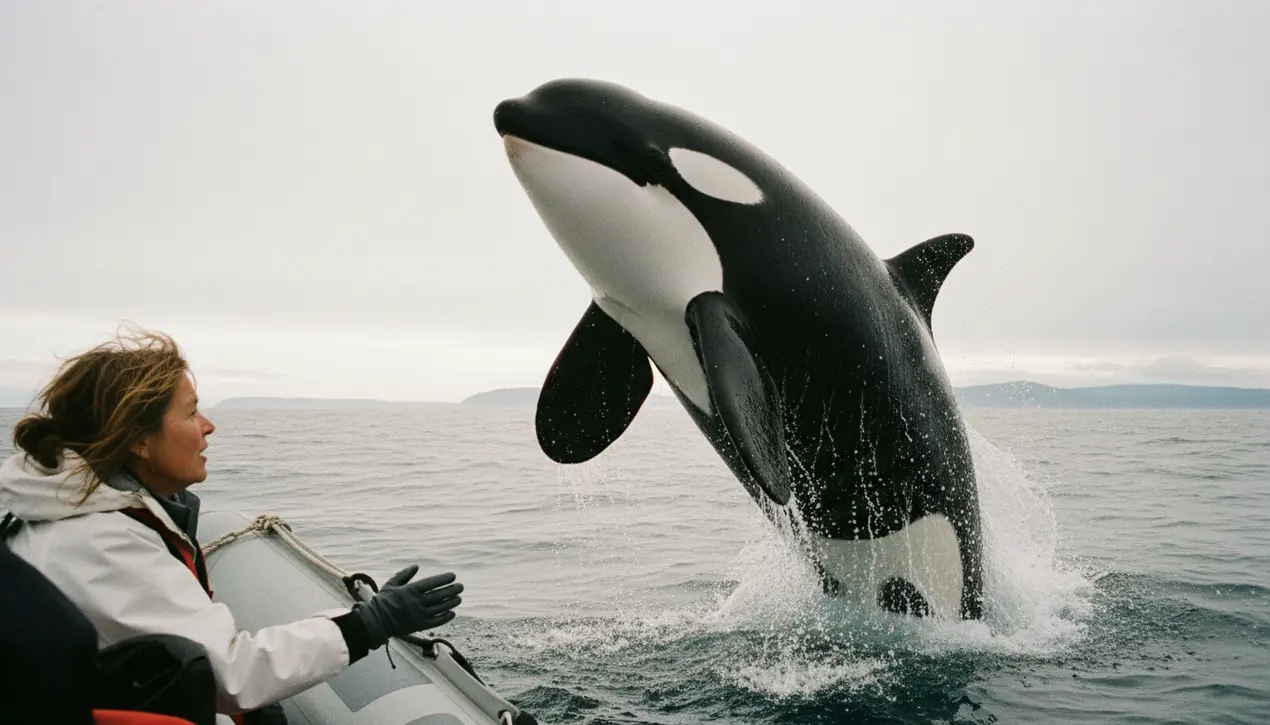
Meeting an orca is a moment of profound reorientation. It is an encounter that shatters the curated reality of our digital existence, an experience whose depth cannot be contained within a camera frame or a fleeting social media clip.This is not passive observation; it is a resonant event that commands your complete presence—your senses, your mind, and the raw, indefinable emotion that exists at the confluence of awe and humility. I remember a research vessel in the Norwegian fjords, the water a cold, metallic grey.When the first dorsal fin, a black sail taller than a person, cut the surface, the atmosphere shifted. The sound was a powerful, rolling exhalation—a breath that spoke of the ocean's depths.This was a matriarch, her body a living record of a long life, moving with a fluid grace that defied her immense power. Her eye, as it turned to regard our boat, held not a blank animal gaze, but a deep, appraising intelligence.It was a look that seemed to comprehend the vessel, its human occupants, and the fragile boundary we had erected between our worlds. In that instant, you do not merely see an orca; you are seen by one.This is the core of what can be described as an 'unselfing'—a dissolution of the ego as you are drawn into the sphere of a magnificent other. It is comparable to watching the silent, fluid dance of a starling murmuration or standing among the ancient stones of a lost civilization; these are experiences that pull us from our personal narratives into a far grander, more mysterious story.The encounter's ineffable quality, as William James might have described it, is its hallmark. How does one articulate the complex social fabric evident in a pod's synchronized movements, or the intricate language of clicks and whistles we are only starting to decipher? Research by scientists such as Dr.Lori Marino has shown that orcas possess a highly developed paralimbic system, brain regions linked to emotion and social bonding that are even more complex than our own. They are not lone hunters but the cornerstones of sophisticated matrilineal societies—cultures that transmit unique hunting strategies and vocal dialects from one generation to the next.To meet them is to witness this rich, aquatic culture, a society that has flourished for millennia in the planet's most demanding realms. Yet, this awe is now shadowed by a sharp and pressing sorrow.These masterful predators are confronting an existential threat they did not create. Their world is being systematically eroded by our own.The relentless noise from commercial shipping masks their crucial communications, tearing at family bonds. Industrial toxins, like PCBs, build up in their blubber, poisoning them internally and devastating their reproductive health.And perhaps most insidiously, the climate crisis is warming and acidifying their habitat, unraveling the delicate food chains they depend on. The salmon runs that have sustained generations are vanishing, driving resident pods, such as those in the Pacific Northwest, toward starvation.To have met the gaze of an orca is to inherit a responsibility that goes beyond academic interest. It becomes a personal pledge.The memory of that encounter—the sheer, vibrant life force within that powerful form—ignites a fierce protectiveness. It drives us to move from passive wonder to active guardianship.Championing marine protected areas, pushing for stronger regulations on underwater noise and pollution, and making conscious consumer choices to combat climate change are no longer abstract political topics; they are direct answers to that moment of connection. The orca does not need our transient fascination, captured online; it needs our dedicated, intelligent, and fervent defense. The true, unphotographable legacy of meeting an orca is not an image, but a purpose—a lifelong vow to ensure such moments of transcendent wonder remain possible for all who follow.
#orca
#wildlife
#nature
#experience
#philosophy
#wonder
#marine biology
#lead focus news
Stay Informed. Act Smarter.
Get weekly highlights, major headlines, and expert insights — then put your knowledge to work in our live prediction markets.
Comments
Loading comments...
© 2025 Outpoll Service LTD. All rights reserved.