Otherauto & mobilityElectric Vehicles
The New Wildcat EV: Innovation Woven With Buick Legacy
SO
Sophia King
3 months ago7 min read
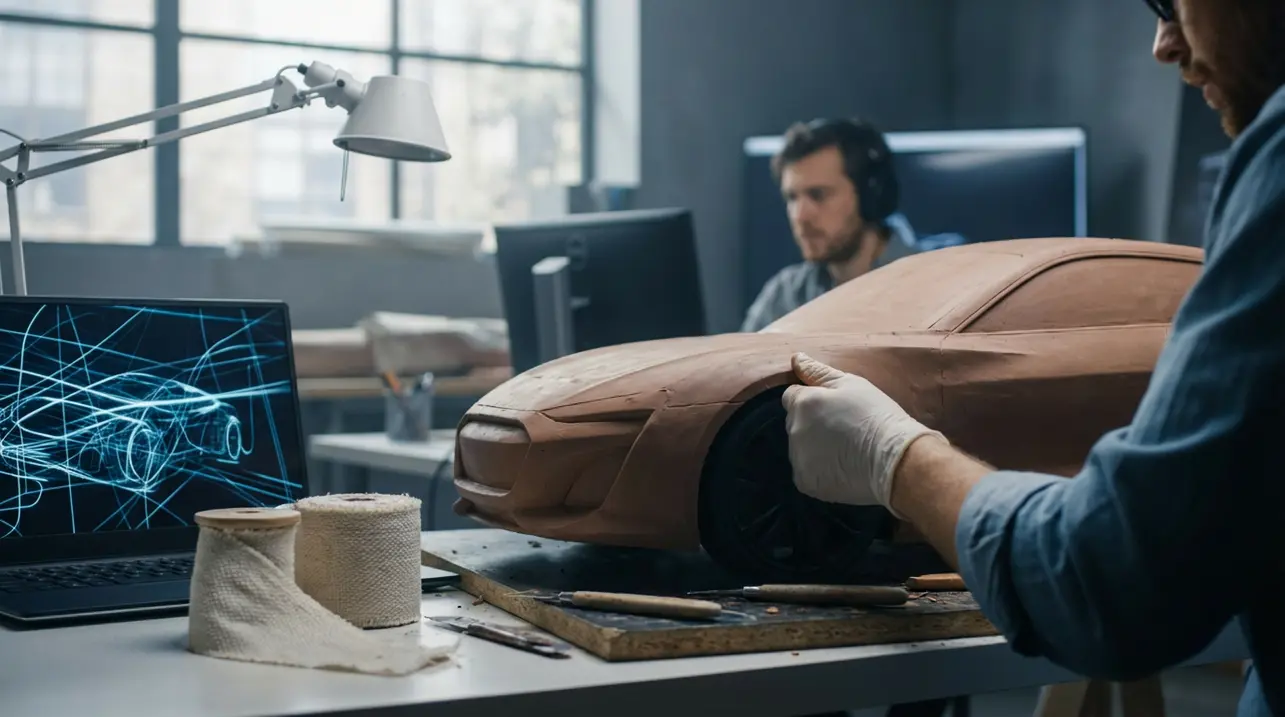
When Buick unveiled the Wildcat EV concept, it wasn't just another electric vehicle prototype hitting the auto show circuit; it was a masterclass in blending tactile human artistry with the cold, precise logic of digital innovation. Let’s pull back the curtain on this.The press release talks about craftsmanship, tactical knits, and clay sculpting—words that feel more at home in an atelier than an assembly line. This is where the magic happens.That clay sculpting they mention? It’s not a nostalgic nod. It’s the foundational layer, the physical, messy, human touch that defines a car’s soul before a single line of code is written.Designers still get their hands dirty, feeling the curves and proportions in three dimensions, a process that no VR headset can fully replicate for emotional resonance. Then, they layer on the future: the ‘tactical knits.’ Imagine a seat fabric that isn’t just stitched but engineered, perhaps with integrated biometric sensors that adjust cabin climate or seat bolstering based on your stress levels, woven by machines guided by AI that optimizes for durability and aesthetic flow. This is the new frontier of automotive design—a dialogue between the artisan and the algorithm.Buick’s legacy, often associated with quiet luxury and American road-trip comfort, is being reinterpreted here not as a shackle, but as a dataset. The sweeping lines of a 1963 Riviera, the chrome accents of a ‘50s Roadmaster—these aren’t copied; they’re fed into a generative design AI that proposes new forms which *feel* Buick without looking retro.The Wildcat EV’s cabin is likely a playground for UX designers like me, where ambient lighting doesn’t just illuminate but responds to driving mode or music, creating a canvas of light that paints the interior. The surfaces you touch, from the dashboard to the steering wheel, will be outputs from a collaboration between material scientists and creative coders, producing textures that are unique, sustainable, and digitally fabricated.This concept signals a seismic shift. For decades, car design was about wind tunnels and stamping metal.Now, it’s about parameter sliders in software like Blender or Unreal Engine, where designers can iterate a thousand grille designs in an afternoon, aided by AI that predicts aerodynamic efficiency or public sentiment based on social media trends. The Wildcat EV is a prototype of this process.It asks: can a machine learn what ‘premium’ feels like? Can an algorithm understand the emotional weight of a hand-stitched leather wrap, and then propose a vegan, lab-grown alternative that evokes the same pride of ownership? The answer Buick is exploring is a resounding yes, but only if the human remains the creative director. The clay model is the thesis; the AI and digital tools are the editors and researchers.This isn’t just a Buick story. It’s a blueprint for every creative industry from fashion to architecture.We’re moving into an era where our tools don’t just execute our vision but actively collaborate on it. The Wildcat EV’s real innovation isn’t its electric powertrain—that’s table stakes now. Its innovation is its design philosophy, a woven fabric of legacy and latency, proving that the future of beauty is a co-creation between the heart, the hand, and the silicon mind.
#Buick
#Wildcat EV
#concept car
#electric vehicle
#automotive design
#innovation
#featured
Comments
DI
DigitalSkeptic88d ago
funny how we all perform sincerity for the feed and call it connection but here we are, getting poetic about a car's 'soul' written in clay and edited by an algorithm maybe the real concept is us, trying to feel human in a world we built to feel for us
0
AU
AutoEnthusiast2396d ago
thanks for writing this up, it really made me think about how design is changing in such a cool way genuinely brightened my feed today
0
QU
QuietObserver98d ago
interesting to see them try to blend the old and new like that, but i'll believe it when i actually sit in one of these production models
0
© 2026 Outpoll Service LTD. All rights reserved.