SciencearchaeologyCultural Heritage
Egyptologists Demand British Museum Return Rosetta Stone.
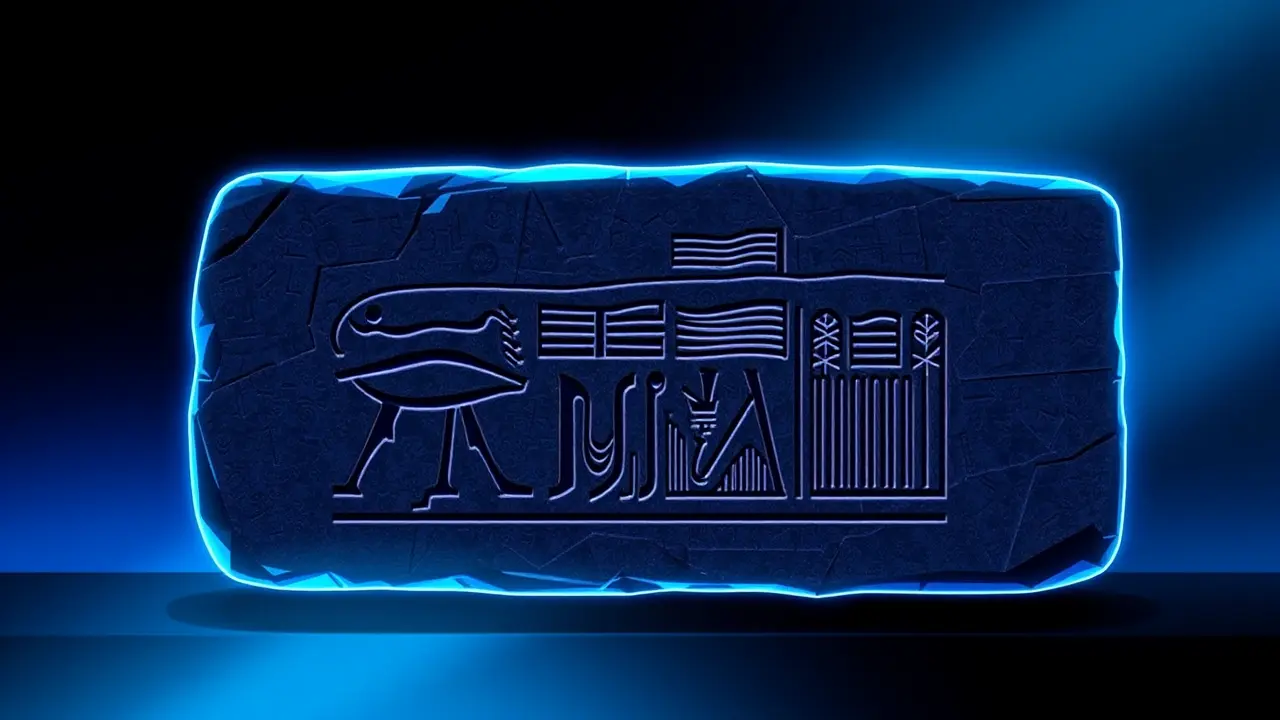
The long-simmering diplomatic and academic dispute over the Rosetta Stone has erupted once more, with a renewed and forceful demand from prominent Egyptologists for its repatriation from the British Museum to its homeland, a conflict that echoes the grand geopolitical struggles of a bygone era and challenges the very foundations of modern museum ethics. Seized by British troops in 1801 following the defeat of Napoleon's forces, the dark granodiorite slab was not merely war booty but the key that unlocked the secrets of ancient Egyptian civilization, allowing scholars like Jean-François Champollion to finally decipher hieroglyphics.This act of colonial appropriation, while historically pivotal for Western academia, stands today as a stark symbol of imperial overreach, a physical manifestation of a power dynamic where the cultural heritage of a subjugated nation was claimed as a prize by the victor. The current campaign, led by a coalition of international scholars, is not an isolated grievance but part of a broader, global reckoning with colonial legacies, a movement that has seen institutions from Germany to the Netherlands begin the complex process of returning Benin Bronzes and other artifacts.The British Museum's stance, anchored in the British Museum Act of 1963 which generally prohibits the deaccessioning of its collections, is presented as a defense of universalism—the idea that such treasures belong to all humanity and are safest and most accessible in a world-class London institution. Yet, this argument rings increasingly hollow in an interconnected world where Cairo's Grand Egyptian Museum stands ready to offer a state-of-the-art home, a argument that would have felt familiar to Winston Churchill, who often grappled with the burdens and complexities of empire.Critics counter that this 'universal museum' model is a convenient fiction for maintaining possession of plundered goods, and that true cultural understanding is deepened, not diminished, when an artifact is re-contextualized within its land of origin. The potential consequences of the Stone's return would be seismic, setting an undeniable precedent that could empty the halls of many Western museums and force a fundamental re-evaluation of their purpose in the 21st century.It would represent a profound moral and symbolic victory for Egypt and for post-colonial nations worldwide, affirming their right to steward their own history. Conversely, a continued refusal risks further alienating international partners, cementing the Museum's reputation as an intractable relic of empire, and fueling debates over cultural reparations that are only growing in intensity. The Rosetta Stone, therefore, is more than an archaeological treasure; it is a diplomatic battleground, a test case for whether historical wrongs can be righted, and a powerful reminder that the past is never truly past, but continually negotiated in the present.
#Rosetta Stone
#British Museum
#Egyptologists
#Repatriation
#Cultural Heritage
#Antiquities
#Egypt
#featured