
4 reasons why AI (probably) won’t take your job

Qover raises $12M from CIBC, targets 100 million insured by 2030

New AirSnitch attack breaks Wi-Fi encryption in homes, offices, enterprises

Starcloud raises $170M to build orbital data centers

Mistral AI secures $830M debt to build European AI data center.

The giant loophole letting Big Dairy keep baby cows in solitary confinement

JAAQ raises $17M for mental health content in digital tools.
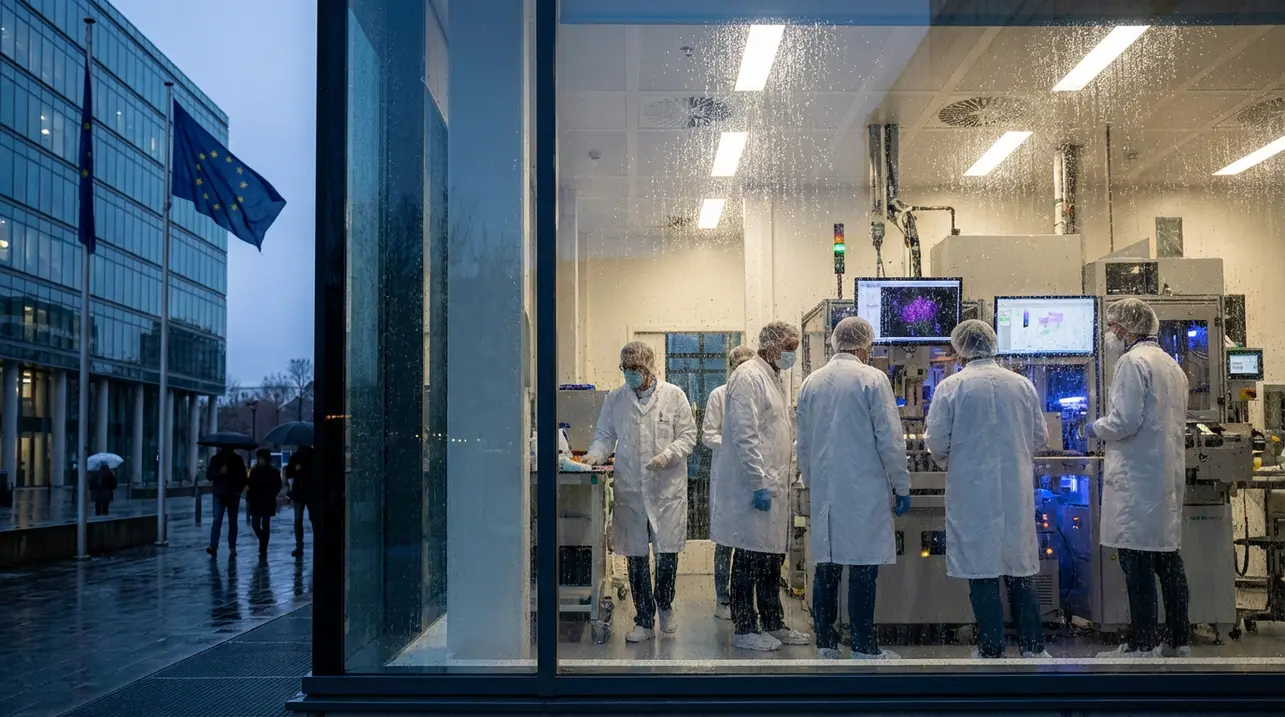
Europe's top funding rounds recap: semiconductors, space, defense, AI
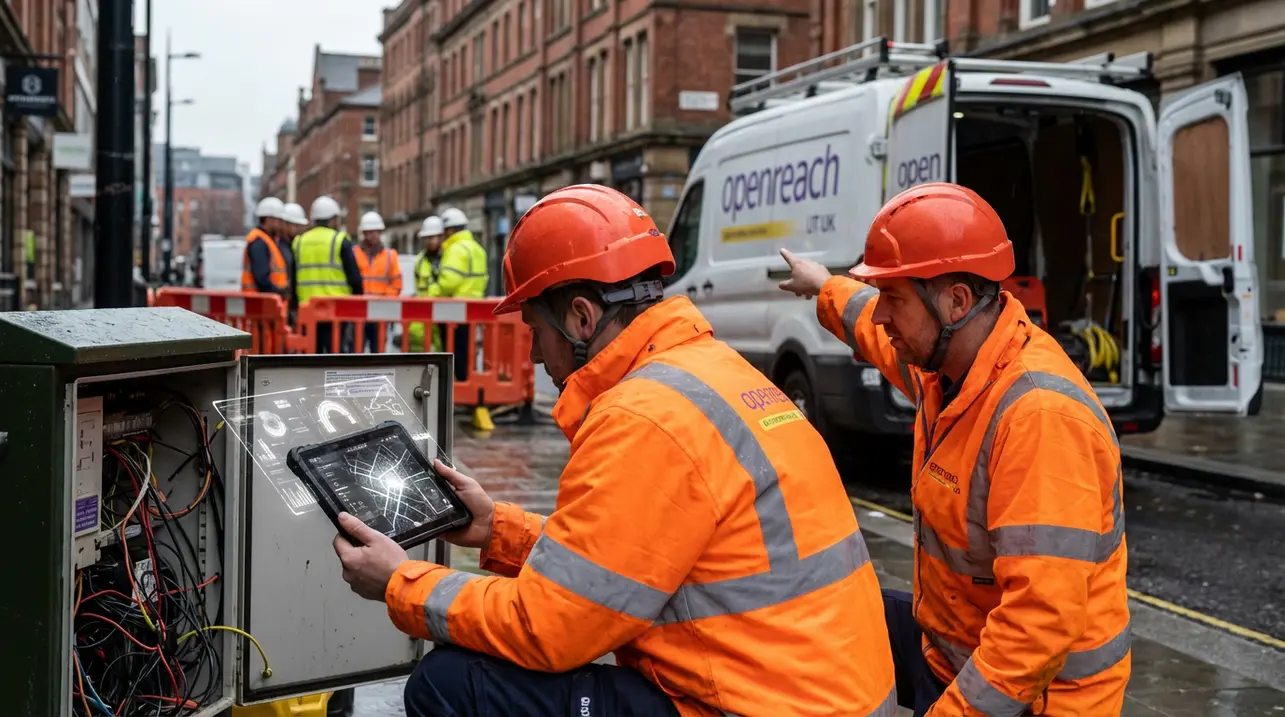
Openreach expands Google Cloud AI collaboration for full-fibre rollout planning

Google's AI design tool Stitch challenges Figma with new features.

Blossom Health raises $20 million for AI copilots in psychiatry.

AI is teaching us to speak like bots and it's a problem

Outpoll Weekly Recap: Entertainment (March 23 – 29, 2026)

Outpoll Weekly Recap: AI (March 23 – 29, 2026)

Never mind Band-Aids, Neanderthals had antiseptic birch tar.

Using AI to find a job: do's and don'ts
