- News
- accidents-disasters
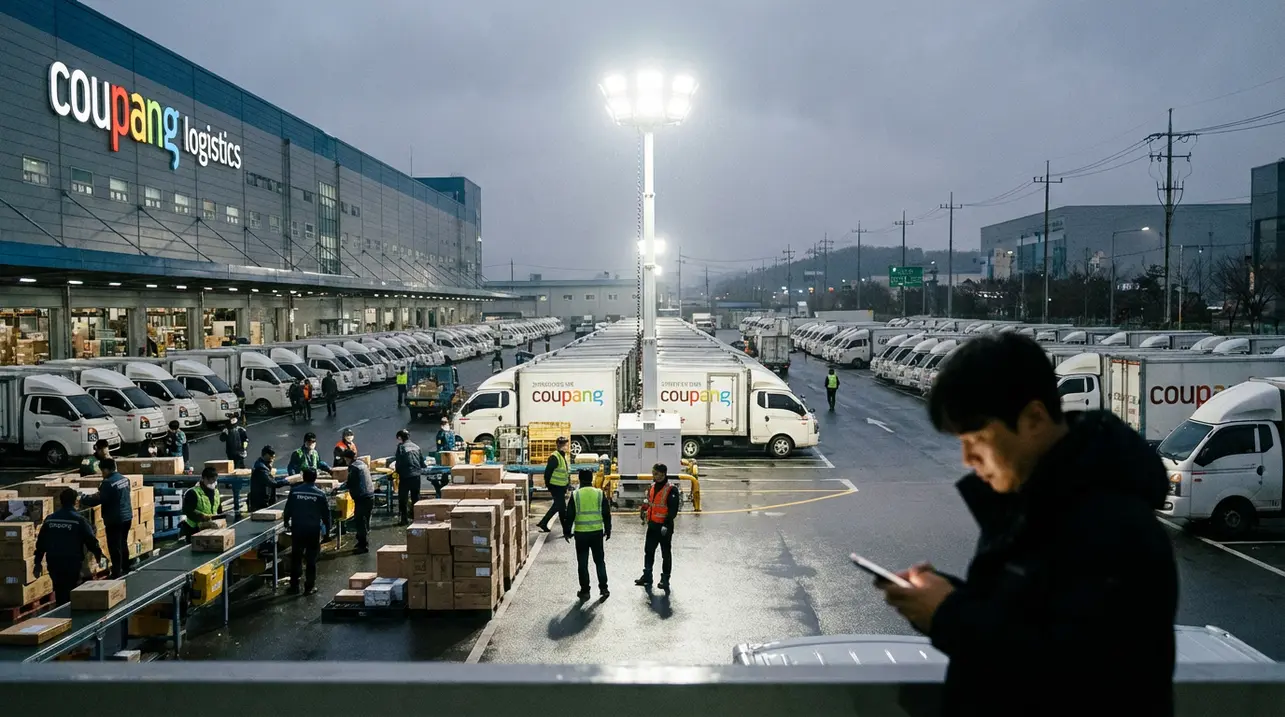
- South Korean e-commerce giant Coupang's massive data leak undiscovered for months.
Otheraccidents & disastersInvestigation Reports
South Korean e-commerce giant Coupang's massive data leak undiscovered for months.
The revelation that South Korean e-commerce titan Coupang suffered a data breach affecting over 33 million customers, a staggering figure in a nation of roughly 51 million, is a corporate governance and cybersecurity scandal of the highest order. What elevates this from a routine IT failure to a profound systemic risk, however, is the astonishing five-month gap between the initial breach and its discovery—a latency period President Lee Jae-myung rightly labeled as ‘astonishing.’ This isn't merely a leak; it's a hemorrhage that went undiagnosed while the patient, in this case nearly the entire digitally active population of South Korea, remained unaware their most sensitive personal and financial data was exposed. Coupang, often dubbed the ‘Amazon of South Korea,’ built its empire on a promise of hyper-efficiency and seamless, lightning-fast delivery, a model that necessitates the collection and processing of a vast trove of user data, from addresses and payment details to intricate purchase histories and search behaviors.The very infrastructure that enables its market dominance—complex logistics algorithms, personalized recommendation engines, and one-click payment systems—creates a honeypot of data that is catastrophically attractive to malicious actors. The breach, reportedly stemming from a vulnerability in a third-party vendor’s software, exposes a critical weakness in the extended supply chain of digital trust; a company can fortify its own walls, but a single weak link in a partner’s system can bring the entire castle down.This incident must be analyzed through the lens of political risk and market shock. President Lee’s immediate, forceful directive for swift punitive action signals a regulatory storm is brewing, one that could reshape the data privacy landscape in Asia’s fourth-largest economy.The Personal Information Protection Act (PIPA) in South Korea carries severe penalties, including fines of up to 3% of a company’s annual revenue and potential criminal liability for executives—a prospect that should send shivers through boardrooms far beyond Seoul. Historically, we can look to precedents like the 2011 hack of Sony’s PlayStation Network or the 2017 Equifax breach; both events triggered massive regulatory overhauls, class-action lawsuits lasting years, and permanent erosion of consumer trust and brand equity.For Coupang, the financial consequences are multifaceted: immediate costs for forensic investigation, customer notification, credit monitoring services, and potential fines will be substantial, but the long-term reputational damage and potential customer churn could be far more debilitating in a fiercely competitive market. Furthermore, this breach occurs against a backdrop of heightened global anxiety over state-sponsored cyber-espionage, particularly from actors like North Korea’s Lazarus Group, which has historically targeted South Korean financial and corporate entities.
#data breach
#cybersecurity
#Coupang
#South Korea
#customer data
#regulation
#featured
Comments

It's quiet here...Start the conversation by leaving the first comment.
© 2026 Outpoll Service LTD. All rights reserved.