

Hottest
Politics
United States Signals Caution on USMCA Extension, Triggering Annual Review Period
AN
Anna Wright
2 days ago7 min read
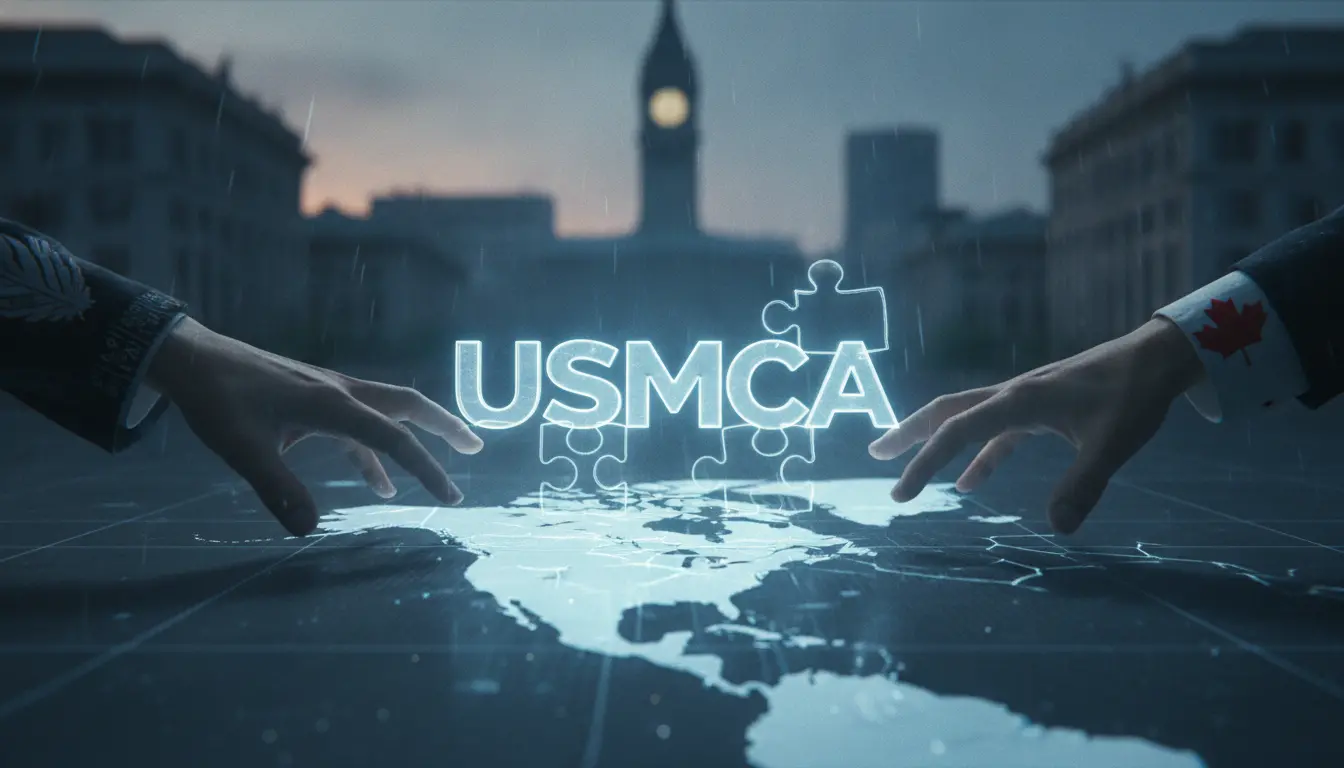
The future of North American trade relations has entered a period of heightened uncertainty following Washington's decision to decline a full 16-year extension of the United States-Mexico-Canada Agreement (USMCA). This move, which marks a significant departure from an automatic renewal, instead initiates a decade-long phase of annual reviews, keeping the trilateral trade pact under constant scrutiny until its scheduled expiration in 2036.The implications are far-reaching, affecting industries, supply chains, and diplomatic ties across the continent, with stakeholders now watching closely to see if the U. S.might reverse its stance on a longer-term commitment in the coming years. At the heart of the current situation is the USMCA's "sunset clause," a unique provision requiring the three member countries to review the agreement six years after its entry into force and decide on a 16-year extension.If an extension is granted, another review is scheduled for six years later. If an extension is not granted, as is currently the case with the U.S. decision, the agreement transitions into a ten-year countdown to expiration, marked by annual joint reviews.This mechanism was a key innovation during the agreement's renegotiation under the Trump administration, designed to ensure the pact remained relevant and responsive to economic changes, but also introduced an element of periodic instability that its predecessor, NAFTA, largely avoided. While the U.S. has not outright withdrawn from the agreement, its reluctance to commit to a full 16-year extension sends a clear signal of leverage and conditional engagement.Experts suggest that Washington’s move could stem from a desire to maintain pressure on Mexico and Canada to address specific concerns, ranging from Mexico’s energy policies and labor reforms to Canada’s dairy import quotas. Domestic political considerations within the U.S. , particularly a potential shift in presidential administrations, could also play a role, as future leaders might seek to re-evaluate the terms or enforcement of the agreement based on evolving economic and geopolitical priorities.The decision effectively keeps all parties on alert, fostering an environment where compliance and concessions could become ongoing points of negotiation rather than settled matters. For businesses operating across North America, particularly those in the automotive sector, agriculture, and manufacturing, the annual review process introduces a layer of planning complexity.The automotive rules of origin, for instance, are a cornerstone of the USMCA, and any perceived instability could deter long-term investment. Manufacturers and investors thrive on predictability, and the prospect of annual renegotiations, even if minor, could prompt companies to diversify supply chains or reconsider expansion plans.Meanwhile, Mexico and Canada are keen to ensure the stability of the agreement, which underpins vast bilateral trade volumes and integrated economies. Both nations are likely to engage diplomatically with Washington to understand its specific grievances and seek pathways to secure the longer-term extension that was initially envisioned.The window for a potential U. S.reversal on the full 16-year extension remains open until the next annual review deadline. Factors that could influence such a change of heart include significant progress on bilateral disputes, a change in U.S. administration with a different trade agenda, or a collective push from industry stakeholders who benefit from the pact’s certainty.The current scenario places the onus on all three nations to demonstrate flexibility and a commitment to upholding the spirit of the agreement. Without a renewed 16-year commitment, the USMCA faces a gradual erosion of its foundational stability, potentially leading to increased protectionist pressures and a less integrated North American economic bloc over the next decade. The coming years will be crucial in determining whether the continent’s premier trade accord will maintain its robust framework or become subject to continuous re-evaluation.
#hottest news
#USMCA
#Trade Agreement
#North America
#United States
#Mexico
#Canada
#Trade Policy
#Diplomacy
Stay Informed. Act Smarter.
Get weekly highlights, major headlines, and expert insights — then put your knowledge to work in our live prediction markets.
Related News


Comments
It's quiet here...Start the conversation by leaving the first comment.