

Politics
US-Iran De-escalation Pact Under Severe Strain Amid Escalating Gulf Tensions
AN
Anna Wright
16 hours ago7 min read
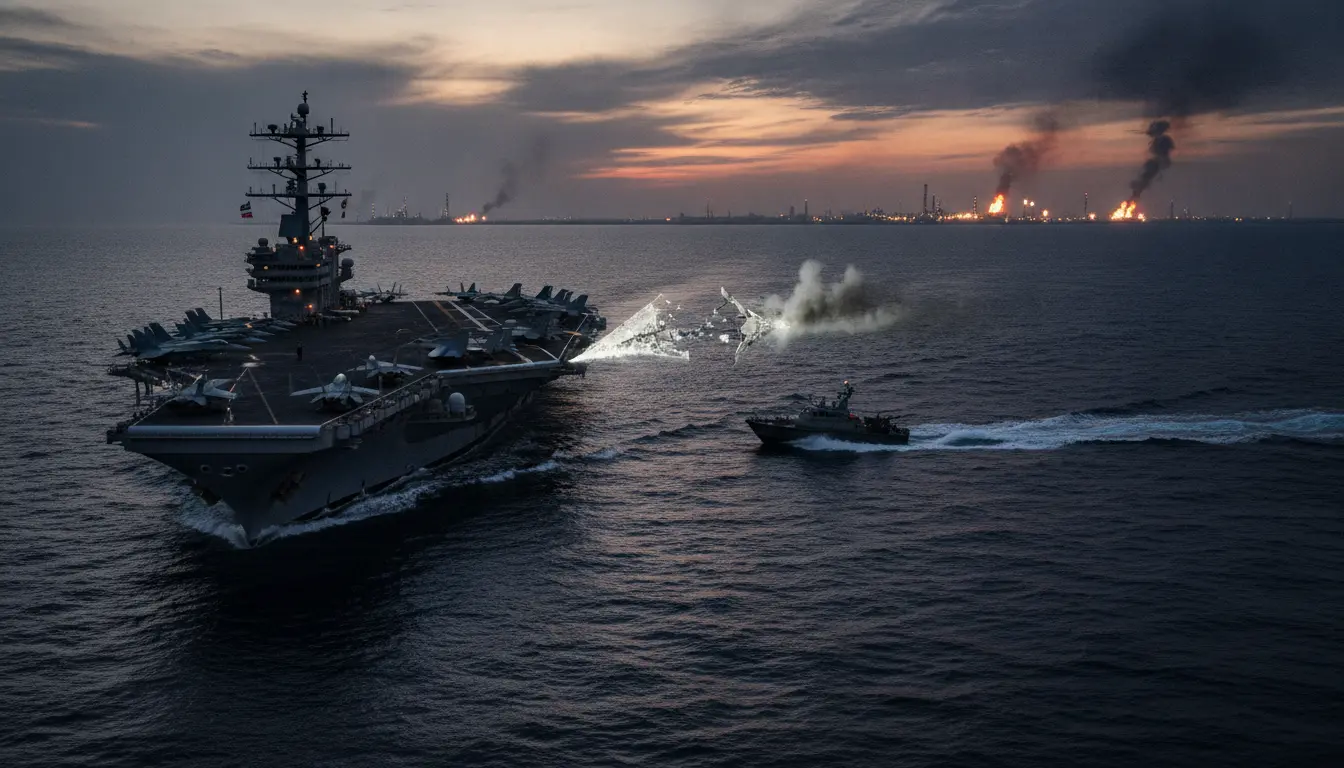
A fragile understanding between the United States and Iran, aimed at de-escalating military and diplomatic tensions, is facing increasing pressure following a series of provocative incidents in the Persian Gulf. Recent US military actions against Iranian assets, coupled with persistent accusations of ceasefire violations by Tehran in the strategically vital Strait of Hormuz, have propelled an already volatile relationship to a new precipice.While reports suggest a dedicated hotline between Washington and Tehran has been activated to manage immediate crises, the long-term viability of any existing de-escalation memorandum of understanding (MoU) appears increasingly uncertain, casting a shadow over regional stability. Historically, the relationship between the United States and Iran has been characterized by deep mistrust and intermittent periods of open confrontation, punctuated by proxy conflicts across the Middle East.Efforts to manage this animosity have often struggled to gain traction amidst ideological divides and conflicting geopolitical interests. The current de-escalation framework, though not publicly detailed in its specifics, emerged from a recognition of the catastrophic potential of direct conflict in one of the world's most critical energy arteries.Its primary objective has been to prevent miscalculation and provide a channel for communication, however rudimentary, during moments of heightened stress. The very existence of such an MoU underscores the delicate balance both nations seek to maintain, despite their profound differences.The recent surge in tensions can be attributed to several significant developments. Unspecified US strikes targeting Iranian-affiliated positions have drawn sharp condemnation from Tehran, raising concerns about a widening conflict footprint.These actions often come in response to perceived threats to US personnel or allies in the region, or to disrupt what Washington views as destabilizing Iranian activities. Concurrently, reports of Iranian forces violating previously agreed-upon informal ceasefires in the Strait of Hormuz continue to surface, involving actions like harassment of commercial shipping or aggressive maneuvers near international vessels.Such incidents not only endanger global maritime trade, which heavily relies on the Strait for oil transit, but also directly challenge the spirit and intent of any de-escalation agreement, eroding trust and escalating the risk of accidental escalation. For the United States, the stakes involve safeguarding its strategic interests in the Middle East, protecting key allies like Saudi Arabia and the UAE, ensuring freedom of navigation, and curbing Iran's nuclear ambitions and regional proxy networks.Iran, on the other hand, seeks to assert its regional dominance, push back against what it perceives as foreign intervention, and leverage its strategic position to alleviate economic pressures from international sanctions. The unraveling of a de-escalation pact could pave the way for a more uninhibited cycle of military responses and counter-responses, leading to a dangerous militarization of the Gulf, increased targeting of critical infrastructure, and a potential for direct confrontation that neither side explicitly desires but could stumble into.The immediate future of US-Iran de-escalation efforts hinges on careful diplomatic navigation and a clear understanding of red lines. While the activated hotline offers a technical mechanism for urgent communication, it remains to be seen if political will exists on both sides to genuinely leverage it for de-escalation, rather than just crisis management.The challenges are immense: deep-seated historical grievances, a complex web of regional proxy conflicts, and the domestic political considerations in both Washington and Tehran that often militate against compromise. International actors and regional powers watch anxiously, recognizing that any sustained breakdown in de-escalation could send shockwaves through global energy markets and security alliances.Ultimately, the resilience of any understanding between these two antagonists will be tested by their ability to exercise restraint in the face of provocation and to prioritize channels of communication over confrontational posturing. The current trajectory suggests a concerning erosion of the fragile peace, raising the specter of a return to a more dangerous, unpredictable period in US-Iran relations, with profound implications for the wider Middle East and global stability. The coming months will be crucial in determining whether the threads of de-escalation can be rewoven or if they are destined to fully unravel, leaving a perilous void in their wake.
#featured
#US-Iran relations
#Middle East
#Strait of Hormuz
#De-escalation
#Diplomacy
#Military strikes
#Regional security
#International agreements
Stay Informed. Act Smarter.
Get weekly highlights, major headlines, and expert insights — then put your knowledge to work in our live prediction markets.
Related News

Comments
It's quiet here...Start the conversation by leaving the first comment.