

- News
- Politics
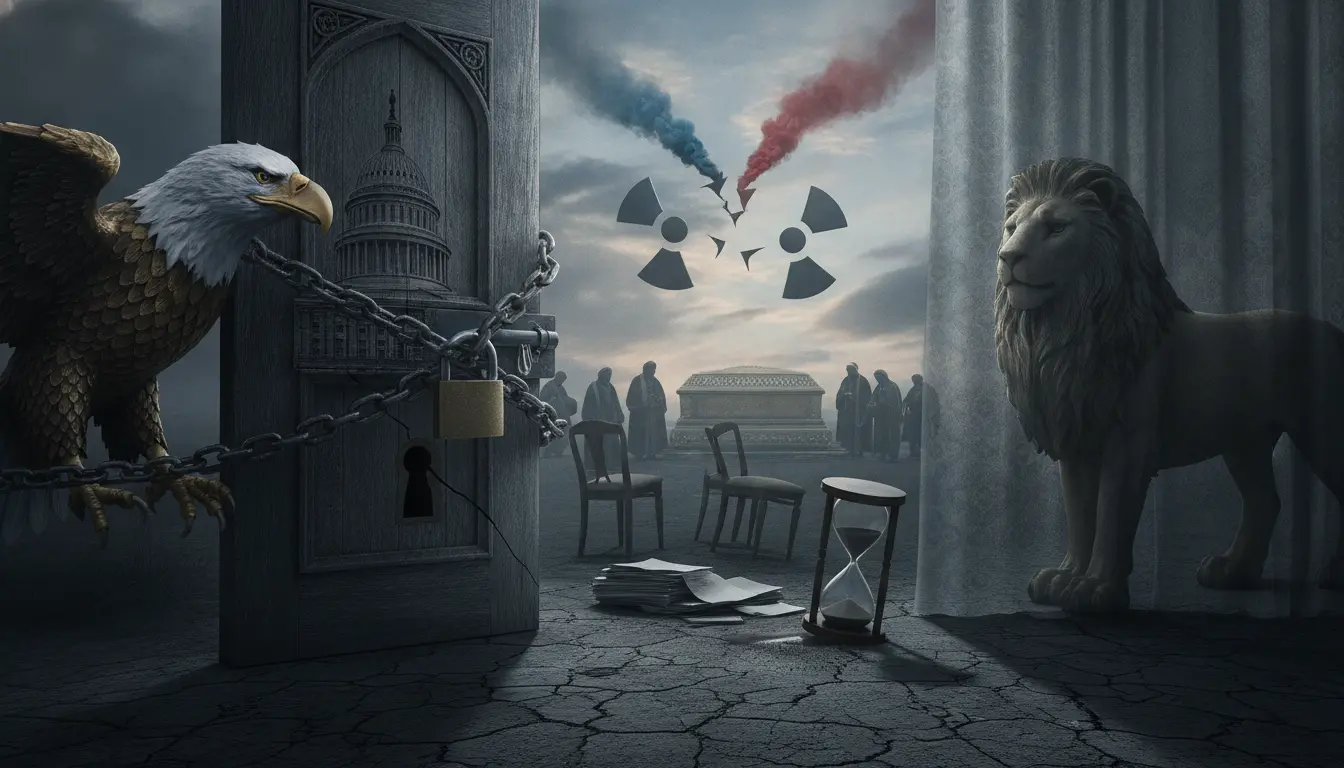
- U.S.-Iran Nuclear Dialogue Stalled Amid Tehran Leadership Transition and Unresolved Issues
Hottest
Politics
U.S.-Iran Nuclear Dialogue Stalled Amid Tehran Leadership Transition and Unresolved Issues
AN
Anna Wright
1 day ago7 min read
Diplomatic efforts to de-escalate tensions and reignite formal nuclear talks between the United States and Iran have hit a significant roadblock, following the recent passing and funeral of Iran's Supreme Leader. This unforeseen leadership transition in Tehran has plunged an already fragile diplomatic channel into deeper uncertainty, effectively pausing discussions that had only just begun to show tentative signs of life.The pause comes despite a preliminary memorandum of understanding (MoU) signed in June 2026, which observers had hoped would pave the way for a more stable path forward. This crucial MoU was designed to extend an existing ceasefire in the region and, more importantly, to create a framework for resuming substantive negotiations on Iran’s contentious nuclear program.However, formal talks on these core issues have materialized only twice since the MoU’s signing, indicating the deep-seated mistrust and complex demands that continue to plague bilateral relations. The sudden void at the apex of Iran's political and religious authority now casts a long shadow over the immediate prospects for any meaningful diplomatic engagement.The history of U. S.-Iran nuclear diplomacy is fraught with starts and stops, most notably the 2015 Joint Comprehensive Plan of Action (JCPOA), which the U. S.unilaterally withdrew from in 2018. Since then, Iran has progressively expanded its nuclear activities, enriching uranium to levels far beyond the JCPOA limits and restricting international oversight, raising alarms in Washington, Jerusalem, and European capitals.Successive U. S.administrations have grappled with how to prevent Iran from developing nuclear weapons capabilities, oscillating between stringent sanctions and attempts at renewed diplomacy. The Supreme Leader's ultimate authority on national security and foreign policy decisions, including the nuclear file, meant that his direct or indirect approval was crucial for any significant breakthrough, making his succession a pivotal event for the trajectory of future negotiations.While the June 2026 MoU managed to secure a limited ceasefire, its inability to kickstart sustained formal negotiations underscores the profound chasm that remains. Key contentious issues include the scope and pace of Iran’s uranium enrichment, the removal of international sanctions, and the verification mechanisms for Iran’s compliance.Tehran has consistently demanded comprehensive sanctions relief as a prerequisite for any rollback of its nuclear advances, while Washington and its allies insist on verifiable limits to Iran's program and greater transparency. The two brief engagements following the MoU failed to bridge these fundamental differences, leaving many to question the ultimate efficacy of the preliminary agreement even before the Supreme Leader's passing.Looking ahead, the immediate priority for Iran will be navigating the succession process, a period traditionally marked by internal political maneuvering and consolidation of power. This internal focus is likely to delay any significant foreign policy initiatives, including the resumption of high-stakes talks with the United States.International partners, including the European Union and regional states, will closely monitor developments, understanding that the stability of the Middle East hinges significantly on the resolution of the Iranian nuclear question. The international community fears that a prolonged vacuum or a hardline shift in leadership could further embolden Iran, potentially accelerating its nuclear program and exacerbating regional tensions.The path to resuming comprehensive nuclear talks remains exceptionally challenging, with both sides requiring substantial confidence-building measures and demonstrable political will. The legacy of distrust, coupled with the new leadership dynamics in Tehran, suggests that any future diplomatic initiative will need to be carefully constructed, perhaps through indirect channels, to rebuild momentum. For the foreseeable future, the world watches as Iran enters a critical period of transition, with profound implications for its nuclear ambitions and its strained relations with the West.
#hottest news
#US-Iran relations
#Nuclear program
#Diplomacy
#Iran Supreme Leader
#Ceasefire
#International sanctions
#Geopolitics
Stay Informed. Act Smarter.
Get weekly highlights, major headlines, and expert insights — then put your knowledge to work in our live prediction markets.
Related News

Comments
It's quiet here...Start the conversation by leaving the first comment.