

- News
- Politics
- Tehran Rejects Trump's Claim of 'Highest Level' Nuclear Inspection Agreement Amid Sanctions Relief Talks
Hottest
Politics
Tehran Rejects Trump's Claim of 'Highest Level' Nuclear Inspection Agreement Amid Sanctions Relief Talks
AN
Anna Wright
8 hours ago7 min read
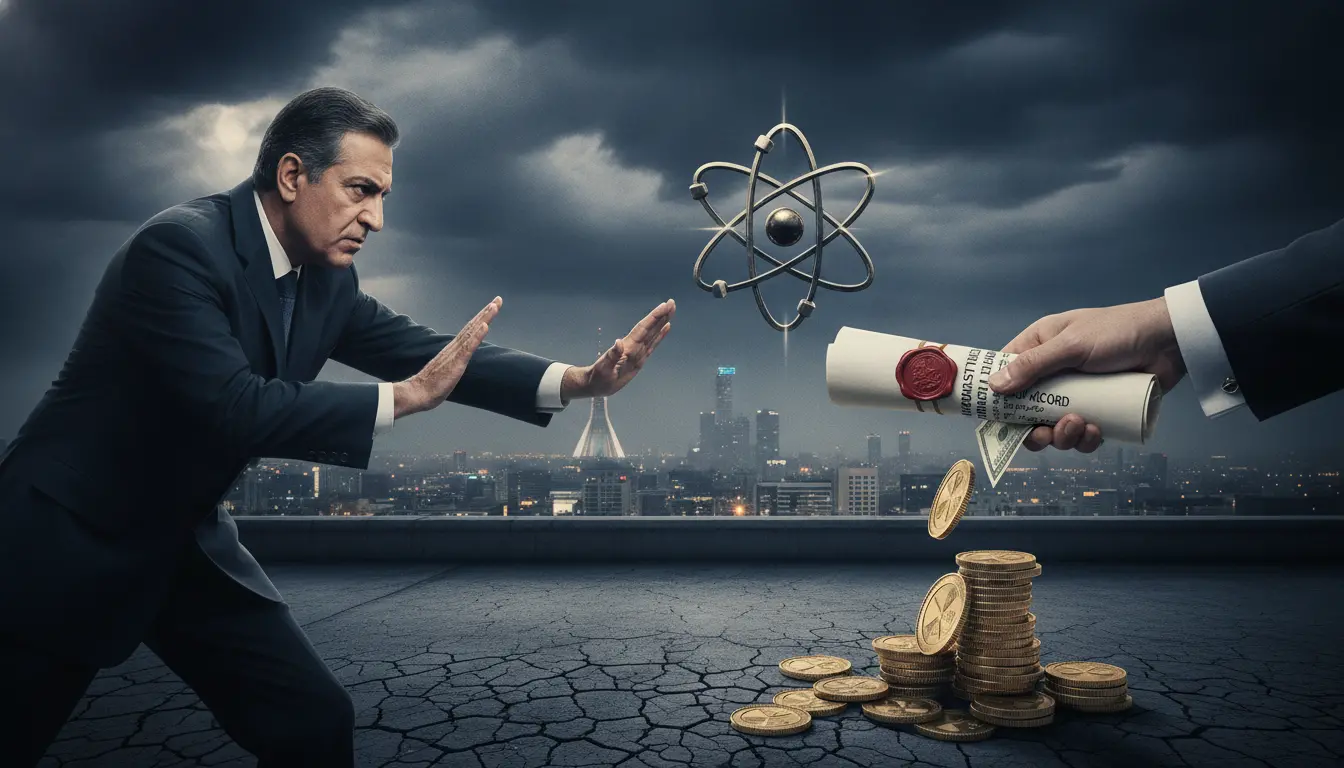
Former President Donald Trump’s recent assertion that Iran has “completely agreed” to the “highest level nuclear inspections” has ignited a fresh diplomatic firestorm, promptly and unequivocally denied by Tehran. This clash of narratives emerges amidst a delicate period of unofficial negotiations and the notable lifting of certain U.S. oil sanctions on Iran, underscoring the deep mistrust and complex dynamics that continue to define the relationship between Washington and Tehran.Trump, known for his unconventional diplomatic pronouncements, made the controversial claim during a public appearance, suggesting a breakthrough that no other official source had corroborated. His statement implied a significant concession from Iran regarding its nuclear program, a core point of contention for decades.However, Iranian officials, through their foreign ministry and state media, swiftly dismissed the claim as “baseless” and “fabricated,” reiterating their long-held position on national sovereignty and the terms under which they would permit international oversight. This stark disagreement highlights the persistent gap in expectations and the volatile nature of communications surrounding Iran's nuclear activities, particularly as international powers grapple with curbing its advanced enrichment capabilities.The backdrop to these conflicting statements is a complex web of diplomatic efforts, reportedly involving figures such as Senator J. D.Vance, aimed at de-escalating tensions and potentially reviving aspects of the 2015 Joint Comprehensive Plan of Action (JCPOA), from which the Trump administration withdrew in 2018. The JCPOA had placed stringent limits on Iran’s nuclear program in exchange for sanctions relief.Following the U. S.withdrawal and subsequent re-imposition of sanctions, Iran gradually scaled back its commitments under the deal, accelerating its uranium enrichment to levels far beyond the JCPOA's limits and expanding its centrifuge capacity. International Atomic Energy Agency (IAEA) reports have consistently pointed to Iran's growing stockpile of highly enriched uranium, raising serious proliferation concerns among Western nations and regional adversaries.The U. S.decision to lift some oil sanctions, even if limited, represents a tangible — albeit cautious — step towards engagement. Such moves are often interpreted as goodwill gestures or incentives designed to encourage Tehran to re-enter negotiations or demonstrate compliance.For Iran, crippled by years of punitive economic measures, any relief from sanctions is a critical objective, particularly as its economy struggles with inflation and unemployment. However, the exact scope and conditions of these lifted sanctions remain a point of international scrutiny, with many analysts questioning whether they are sufficient to sway Tehran into making significant concessions on its nuclear program or regional policies.What constitutes “highest level nuclear inspections” is itself a highly technical and politically charged matter. Typically, this would refer to Iran fully implementing the Additional Protocol of the IAEA Safeguards Agreement, which grants inspectors broader access to nuclear sites, including undeclared locations, and more intrusive monitoring capabilities.Iran voluntarily implemented the Additional Protocol under the JCPOA but ceased its application in 2021 in response to U. S.sanctions. Reinstating such measures would be a major step towards transparency and confidence-building, allowing international monitors unparalleled insight into Iran’s nuclear infrastructure and ensuring its program remains exclusively peaceful.However, Iran has consistently framed increased access as a bargaining chip, tied to comprehensive and verifiable sanctions relief. The stakes in this ongoing saga are immense.The potential for a nuclear-armed Iran remains a primary concern for global security, threatening to destabilize the already volatile Middle East and potentially trigger a regional arms race. For the United States and its allies, managing Iran's nuclear ambitions without resorting to military conflict requires a delicate balance of pressure and diplomacy.Domestically, the issue remains a potent political football, especially in a U. S.election year, where any perceived softness or misstep could have significant electoral consequences. The chasm between Trump's claims and Iran's denials underscores the profound challenges inherent in forging a credible path toward verifiable denuclearization and long-term regional stability, with the prospect of comprehensive inspections remaining a distant, if aspirational, goal.
#hottest news
#Donald Trump
#Iran
#Nuclear Program
#JD Vance
#Sanctions
#IAEA
#Diplomacy
Stay Informed. Act Smarter.
Get weekly highlights, major headlines, and expert insights — then put your knowledge to work in our live prediction markets.
Related News

Comments
It's quiet here...Start the conversation by leaving the first comment.