

Hottest
Politics
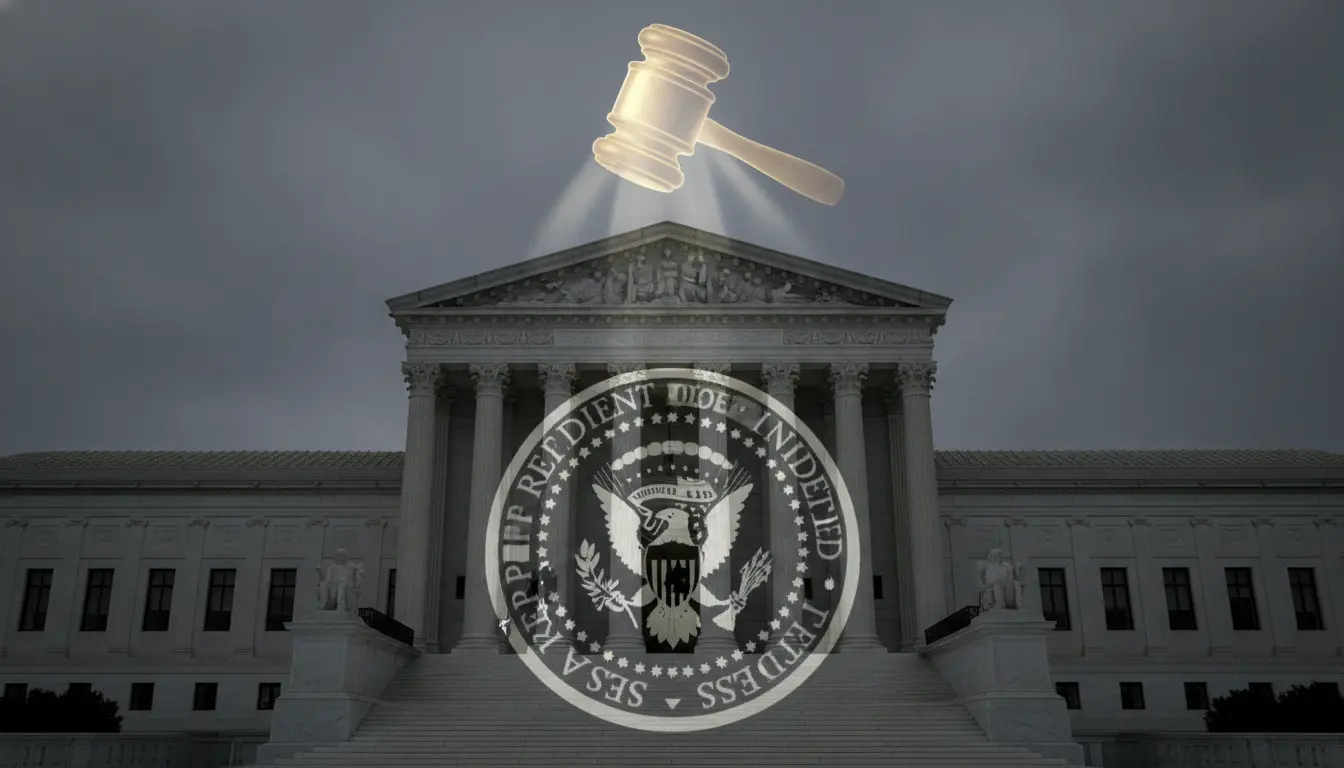
Supreme Court's Recent Decisions Hint at Broader Presidential Immigration Powers Ahead
JO
John Parker
15 hours ago7 min read
Recent actions by the United States Supreme Court have cast a long shadow over the future of immigration policy, suggesting a growing judicial willingness to grant the executive branch expansive authority in this complex domain. Legal scholars and civil liberties advocates are closely scrutinizing these developments, which could significantly redefine the balance of power and profoundly impact demographic trends and social structures across the nation for decades to come.The trajectory set by recent rulings indicates that future administrations, regardless of political affiliation, may find themselves wielding unprecedented control over who enters and remains in the country. Historically, immigration law has been a contested arena, with Congress, the executive, and the judiciary often clashing over jurisdiction and interpretation.While Congress holds explicit constitutional power to establish uniform rules of naturalization, the executive branch has incrementally asserted its role, particularly in enforcement, border management, and the implementation of asylum policies. Over recent years, presidential administrations have increasingly relied on executive orders, agency directives, and emergency declarations to enact significant policy changes, often circumventing the arduous legislative process.This trend has led to a flurry of legal challenges, with courts frequently tasked with delineating the precise boundaries of presidential authority against statutory limitations and constitutional rights. The Supreme Court's recent interventions have largely leaned towards upholding executive discretion.For instance, in cases concerning border management strategies or the parameters for asylum seekers, the Court has often sided with the government, effectively deferring to the administration's claims of national security or operational necessity. These decisions are not merely isolated legal victories; they establish significant precedents that empower future presidents to implement far-reaching immigration policies with less judicial interference.Experts point to the potential for these precedents to solidify a framework where presidential proclamations could more easily dictate everything from entry restrictions and visa allocations to deportation priorities, with potentially profound and lasting societal impacts. The implications of such an expansion of executive power are multifaceted.From a demographic perspective, a president with broad, unchecked authority could significantly alter the rate and composition of immigration, directly influencing population growth, labor markets, and cultural diversity. Warnings from demographers about potential long-term population decline, particularly in the face of restrictive policies, underscore the gravity of these legal shifts.Economically, changes in immigration flows affect labor supply, consumption patterns, and innovation, while socially, they can reshape communities and fuel debates over national identity. The consistent theme from civil rights organizations is concern over due process and human rights, arguing that unchecked executive power can lead to arbitrary enforcement and a diminished capacity for individual recourse.Looking ahead, the legal landscape suggests that battles over immigration policy will increasingly be fought in the courts, with the Supreme Court serving as the ultimate arbiter of executive power. The current judicial philosophy, as evidenced by recent rulings, signals a potential willingness to continue affirming the executive's role, thus reducing the legislative branch's influence and making it harder for advocacy groups to challenge administrative actions.This shift could usher in an era where major immigration policy pivots are less dependent on congressional consensus and more susceptible to the political leanings and policy agenda of the sitting president. The critical questions for the coming years will revolve around the practical limits, if any, the judiciary will ultimately impose on a power that touches every facet of American life and its global standing.
#hottest news
#US Supreme Court
#Immigration Policy
#Executive Power
#Constitutional Law
#Judicial Review
#Presidential Authority
#Demographic Trends
Stay Informed. Act Smarter.
Get weekly highlights, major headlines, and expert insights — then put your knowledge to work in our live prediction markets.
Related News

Comments
It's quiet here...Start the conversation by leaving the first comment.