

Politics
Mounting Tensions in Strait of Hormuz Threaten Global Shipping Amid Iranian Actions
AN
Anna Wright
2 days ago7 min read
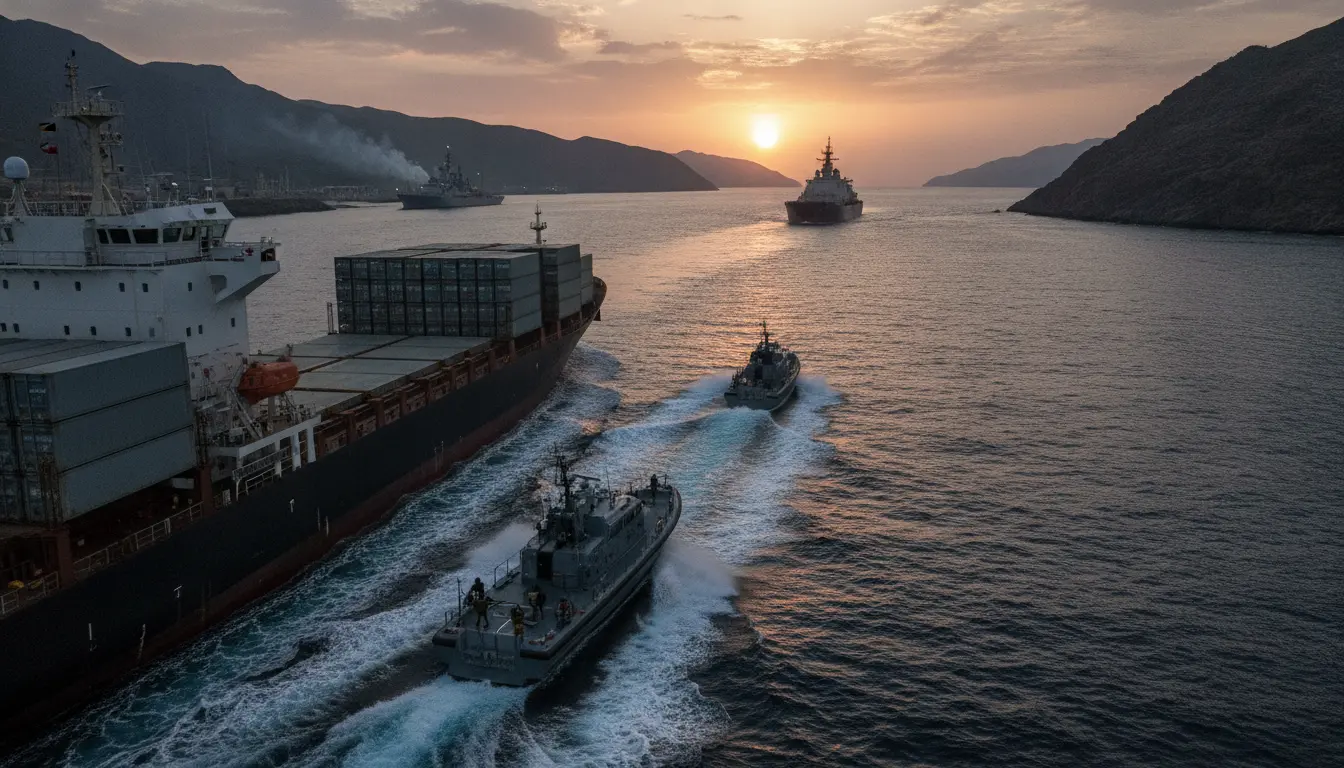
Global maritime security has been thrust into sharp focus once again as escalating tensions in the Strait of Hormuz, a crucial chokepoint for international trade and energy supplies, raise alarm among shipping companies, international organizations, and major world powers. The region has seen a concerning uptick in hostile activities, most notably recent aggressive actions attributed to Iran, including the seizure of a commercial vessel, which has prompted a palpable sense of unease across the shipping industry and sparked warnings from the United Nations.The Strait of Hormuz, a narrow waterway separating Iran and Oman, is undeniably one of the world's most strategically vital maritime passages. An estimated one-fifth of the world's total oil consumption, along with a significant portion of liquefied natural gas (LNG) and other goods, traverses this waterway daily.Any disruption here reverberates across global energy markets and supply chains, potentially leading to sharp price increases and economic instability. Iran, by virtue of its geographic position, holds significant leverage over the strait, a power it has historically wielded during periods of heightened diplomatic and economic pressure, particularly in response to international sanctions.Recent incidents underscore the volatile nature of the region. In April 2024, Iran's Revolutionary Guard Corps seized the MSC Aries, a container ship sailing in international waters, alleging its ties to Israel.This act, coming amidst broader regional instability following the Gaza conflict, was widely condemned as an act of piracy and a clear violation of international maritime law. Such actions not only directly endanger civilian shipping but also inject an unpredictable element into an already complex geopolitical landscape.The UN has consistently voiced concerns, with various agencies monitoring the situation closely and advising caution for vessels operating in the area, signaling a deterioration of security that impacts international operations and safety protocols. The context for these escalating tensions is multifaceted.Decades of strained relations between Iran and the West, exacerbated by the collapse of the 2015 nuclear deal and the imposition of crippling U. S.sanctions, form the backdrop. Iran views its assertive posture in the Strait as a defensive measure and a means to project power, often responding to perceived threats or economic pressures.The presence of the U. S.Navy's Fifth Fleet in Bahrain, tasked with ensuring maritime security in the region, adds another layer of complexity, creating a delicate balance of deterrence and potential flashpoints. Regional rivals, including Saudi Arabia and the UAE, also watch these developments with apprehension, as their own energy exports depend heavily on the Strait's unimpeded flow.The stakes extend far beyond the immediate region. A major international shipping incident – be it an attack, a seizure, or a blockage – could trigger a cascade of economic and political consequences.Global oil prices would almost certainly surge, impacting consumers worldwide and potentially destabilizing economies reliant on affordable energy. Insurance premiums for vessels transiting the Strait have already seen increases, adding to operational costs and ultimately affecting the price of goods.Furthermore, such an incident risks drawing in global powers, potentially escalating a regional dispute into a broader international confrontation. The international community remains seized with the challenge of de-escalating tensions and ensuring the free flow of commerce through this vital artery.Diplomatic efforts continue to seek pathways for dialogue and a reduction of hostilities, but the unpredictable nature of regional actors and the high-stakes geopolitical environment mean that the Strait of Hormuz will likely remain a critical watchpoint for global stability and economic well-being for the foreseeable future. The delicate balance between deterrence and provocation will continue to define the immediate outlook, with the potential for miscalculation posing a constant threat to peace and prosperity.Ensuring stability in the Strait requires a concerted international effort to uphold maritime law, deter aggressive actions, and foster regional security cooperation. Without such measures, the specter of a major incident looms large, threatening not only the vessels that ply its waters but also the global economy that relies so heavily on their safe passage.
#editorial picks
#Iran
#Strait of Hormuz
#Maritime Security
#Global Oil Supply
#Geopolitics
#Middle East
#International Shipping
#Revolutionary Guard Corps
Stay Informed. Act Smarter.
Get weekly highlights, major headlines, and expert insights — then put your knowledge to work in our live prediction markets.
Related News

Comments
It's quiet here...Start the conversation by leaving the first comment.