

Politics
Iran's Maritime Actions Stoke Tensions in Crucial Strait of Hormuz
RO
Robert Hayes
1 day ago7 min read
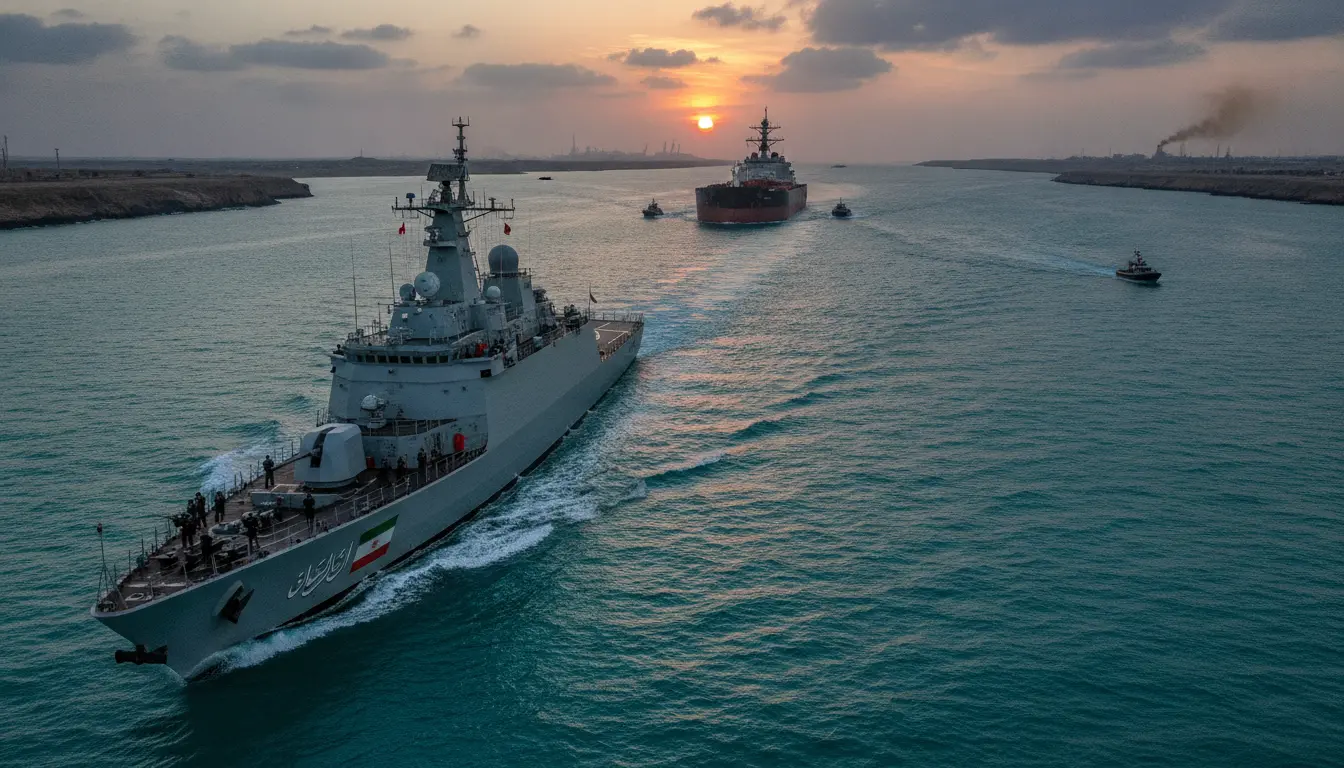
The Strait of Hormuz, a critical chokepoint for global oil and gas shipments, remains a flashpoint for international maritime security, with recent incidents involving Iranian forces escalating concerns among shipping companies and world powers. Reports of Iranian-linked entities targeting cargo vessels in the strategic waterway have amplified warnings from naval authorities and heightened the specter of disruptions to vital trade routes.This volatile environment underscores a protracted geopolitical struggle in the Persian Gulf, where the interplay of regional rivalries, global energy demands, and Iran's strategic ambitions converge. The Strait, a narrow passage between Iran and Oman, is undeniably one of the world's most significant maritime arteries, through which an estimated one-fifth of global oil consumption, along with considerable volumes of liquefied natural gas (LNG), transits daily.Its strategic importance has historically made it a focal point for international tensions, particularly involving Iran, which has on several occasions asserted its capacity to control or impede passage through the strait. This muscle-flexing often coincides with periods of heightened international pressure on Tehran, particularly concerning its nuclear program and its support for regional proxy groups, casting a long shadow over the stability of global energy markets and supply chains.Recent years have seen a pattern of aggressive actions attributed to Iran or its aligned forces, including the seizure of commercial vessels, harassment of tankers, and direct attacks. While the specifics of every incident vary, the underlying message from Tehran often appears consistent: a demonstration of its ability to project power and disrupt vital international commerce in response to perceived threats or sanctions.These actions compel significant international naval presence, primarily led by the United States and its allies, which conduct patrols and exercises aimed at deterring aggression and ensuring freedom of navigation, yet these deployments also contribute to the region's overall militarization. The implications of an attack on a cargo ship in the Strait of Hormuz extend far beyond the immediate economic cost of damaged vessels or delayed shipments.Such an event could trigger a sharp spike in crude oil prices, exacerbate global inflation, and send ripples of instability through the already fragile global economy. Shipping insurance premiums for transit through the Persian Gulf invariably climb during periods of elevated risk, raising operational costs for carriers and ultimately consumers.Moreover, the risk of miscalculation or unintended escalation between naval forces in close proximity looms large, threatening to transform isolated incidents into a broader regional conflict with devastating consequences. Experts suggest that Iran's actions are often calibrated responses designed to send a political message without necessarily provoking all-out war.However, the line between messaging and open conflict is perilously thin in such a high-stakes environment. The ongoing diplomatic stalemate over Iran's nuclear ambitions, coupled with the broader geopolitical realignments in the Middle East, ensures that the Strait of Hormuz will likely remain a theatre of constant vigilance and potential flashpoints.Ensuring secure passage through this waterway requires sustained international diplomatic engagement, robust deterrence, and clear communication channels to prevent misunderstandings from spiraling into broader confrontation. The international community, including major trading nations and energy consumers, continues to underscore the imperative of maintaining the unhindered flow of maritime traffic through the Strait.Naval coalitions and individual nations alike have reiterated their commitment to protecting shipping, even as the complexities of attributing specific attacks and navigating the intricate regional political landscape persist. The delicate balance between asserting sovereignty and upholding international maritime law will continue to define the volatile future of this indispensable global chokepoint, with the specter of future incidents casting a long shadow over global commerce and security.
#featured
#Strait of Hormuz
#Iran
#Maritime Security
#Persian Gulf
#Geopolitics
#Shipping Lanes
#Regional Stability
Stay Informed. Act Smarter.
Get weekly highlights, major headlines, and expert insights — then put your knowledge to work in our live prediction markets.
Related News

Comments
It's quiet here...Start the conversation by leaving the first comment.