

- News
- Politics
- Iran Prepares for Monumental Funeral Rites of Supreme Leader Ayatollah Ali Khamenei Amid Succession Speculation
Politics
Iran Prepares for Monumental Funeral Rites of Supreme Leader Ayatollah Ali Khamenei Amid Succession Speculation
JO
John Parker
12 hours ago7 min read
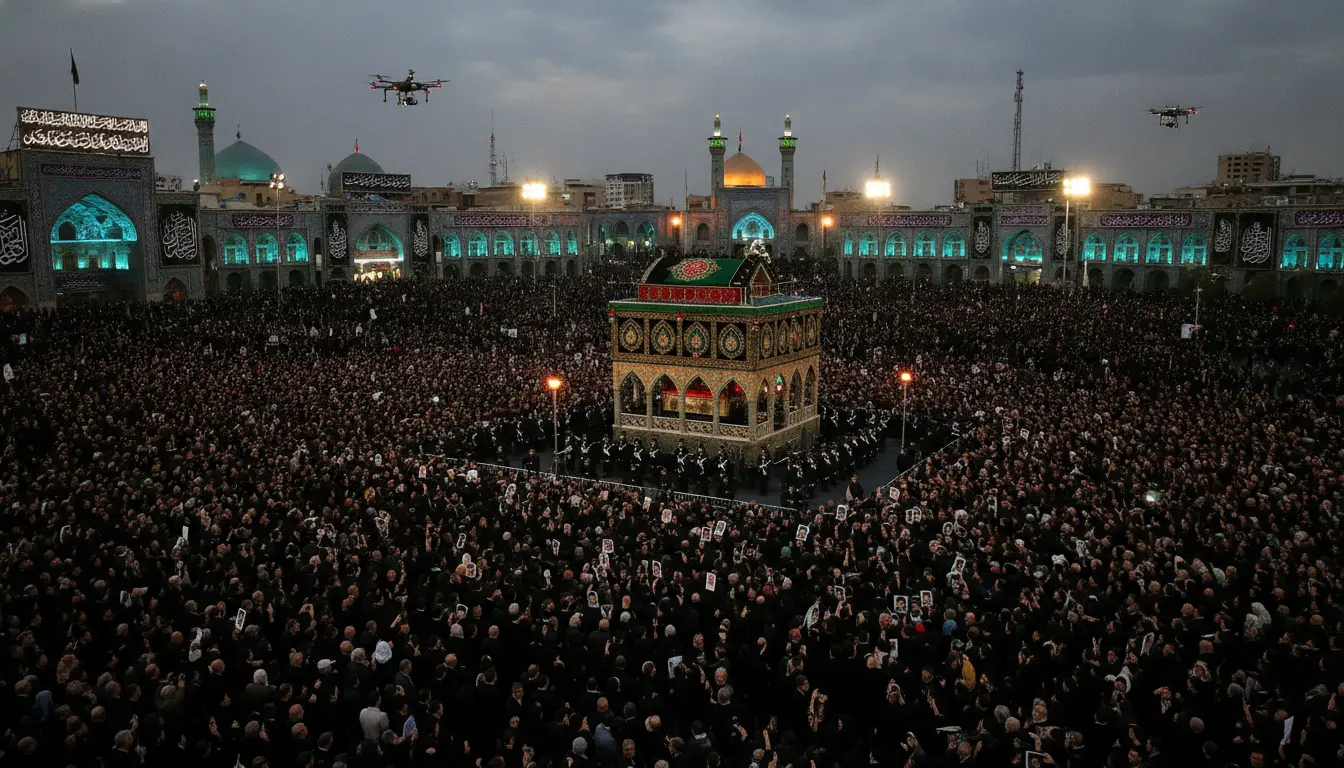
As Supreme Leader Ayatollah Ali Khamenei approaches his mid-80s, Iran is meticulously preparing for the immense national undertaking that will mark his eventual funeral ceremonies. Though specific dates, such as the period between July 4 and 8, 2026, remain speculative, the planning involves anticipating a multi-day event of unprecedented scale, expected to draw millions of mourners across the holy cities of Tehran, Qom, and Mashhad.The passing of a figure who has steered the Islamic Republic for over three decades would not only trigger profound religious and cultural mourning but also initiate a critical and potentially transformative period for the nation's political landscape, domestically and internationally. Ayatollah Ali Khamenei assumed the mantle of Supreme Leader in 1989 following the death of the Islamic Republic's founder, Ayatollah Ruhollah Khomeini.His tenure has been marked by significant regional and global shifts, including heightened tensions with the West, the development of Iran's nuclear program, and complex proxy conflicts across the Middle East. As the nation's ultimate spiritual and political authority, Khamenei holds the final say on major state policies, foreign affairs, and military matters.His health has been a subject of intermittent speculation, and while official reports have consistently affirmed his well-being, the natural progression of age necessitates advanced planning for the inevitable transition. The meticulous preparations aim to ensure a seamless succession and a display of national unity and reverence, echoing the massive funeral for Ayatollah Khomeini, which saw millions flood the streets of Tehran.The process of selecting a new Supreme Leader is constitutionally assigned to the Assembly of Experts, an 88-member body of high-ranking clerics elected by popular vote. This assembly is tasked with identifying and appointing a new *faqih* (jurist) who meets stringent qualifications, including religious scholarship, administrative acumen, and political insight.The closed-door deliberations for such a momentous decision are expected to be intensely guarded, reflecting the high stakes involved in choosing a successor who will inherit immense power and the responsibility of upholding the revolutionary ideals. The new Supreme Leader will face an array of complex challenges, from navigating economic sanctions and social unrest to managing regional rivalries and the country's nuclear ambitions.For Iran, the funeral ceremonies of a Supreme Leader are far more than a mere burial; they are deeply symbolic events designed to reaffirm the legitimacy of the Islamic Republic, showcase the collective devotion of the populace, and reinforce national cohesion during a period of potential instability. The choice of Tehran, Qom (a vital center for Shiite scholarship), and Mashhad (home to the shrine of Imam Reza, a revered figure in Shiite Islam) as key locations underscores the profound religious and political significance of the event.The sheer logistics of managing millions of people, ensuring security, and providing public services across these sprawling urban centers represent a monumental organizational challenge that the state apparatus is undoubtedly factoring into its preparatory measures. The implications of this leadership transition extend far beyond Iran's borders.A new Supreme Leader could signal shifts in Tehran's foreign policy, potentially altering its approach to regional conflicts, its relationship with global powers like the United States and Europe, and the future trajectory of its nuclear program. Allies and adversaries alike will closely monitor the succession process and the eventual policies of the new leadership for signs of continuity or radical change.The transition will inevitably be a moment of intense scrutiny, with every gesture, statement, and appointment analyzed for clues about Iran's future direction. Internally, the period following Khamenei's passing will test the resilience of Iran's political system and its ability to maintain stability amidst potential factional maneuvering.While the institutional mechanisms for succession are in place, the personal authority and historical legacy of the current Supreme Leader are irreplaceable. The eventual attendance figures at the funeral ceremonies, a metric of popular support and national mourning, will offer a powerful visual testament to the depth of public sentiment and the enduring influence of the clerical establishment. The preparations underway are a testament to the profound historical weight and strategic importance of this anticipated transition, shaping not only Iran's destiny but also its role on the global stage for decades to come.
#featured
#Ayatollah Ali Khamenei
#Iran
#Supreme Leader
#Funeral
#Succession
#Tehran
#Qom
#Mashhad
#Assembly of Experts
#Islamic Republic
Stay Informed. Act Smarter.
Get weekly highlights, major headlines, and expert insights — then put your knowledge to work in our live prediction markets.
Related News

Comments
It's quiet here...Start the conversation by leaving the first comment.