

- News
- Politics
- International Scrutiny Intensifies Over Allegations of Genocide in Gaza by UN Investigators
Hottest
Politics
International Scrutiny Intensifies Over Allegations of Genocide in Gaza by UN Investigators
AN
Anna Wright
6 hours ago7 min read
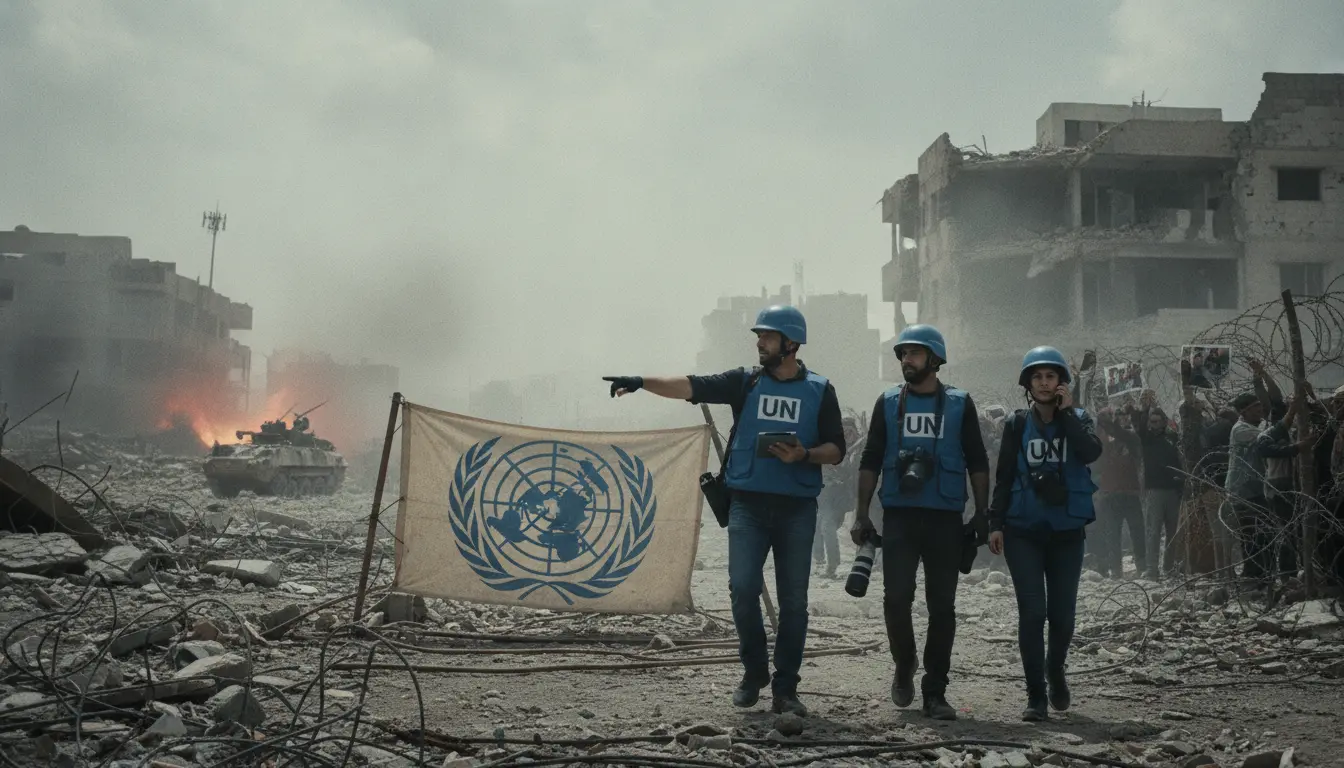
The international community is grappling with profound and deeply concerning allegations against Israel regarding its military operations in Gaza, as various United Nations bodies and independent investigators intensify their examination of potential violations of international law. Central to this heightened scrutiny are claims that Israel's actions could amount to genocide, a charge carrying immense legal and political ramifications that could fundamentally reshape global perceptions and diplomatic relations for decades.The devastating scale of the conflict, which erupted following Hamas's October 7th attacks, has led to an unprecedented humanitarian crisis and a catastrophic loss of life in the Gaza Strip. Reports from UN agencies and human rights organizations consistently highlight the targeting of civilian infrastructure, widespread displacement, and a severe shortage of essential resources, sparking widespread alarm.Investigators have specifically drawn attention to the disproportionate impact on Palestinian children, a demographic that has suffered immensely from the sustained bombardment and blockade, fueling the serious allegations that certain actions may constitute crimes against humanity, war crimes, and even genocide. The legal definition of genocide, as codified in the 1948 Genocide Convention, requires proof of intent to destroy, in whole or in part, a national, ethnical, racial, or religious group.This is a notoriously difficult threshold to meet in international law, requiring compelling evidence of specific intent beyond mere casualties or collateral damage. However, preliminary proceedings initiated by South Africa at the International Court of Justice (ICJ)—the UN’s principal judicial organ—have already seen the court issue provisional measures, instructing Israel to take all measures within its power to prevent acts of genocide against Palestinians in Gaza and to ensure the provision of humanitarian aid.While not an outright declaration of genocide, these measures underscore the seriousness with which these allegations are being treated by the highest international judicial body. Various UN expert panels, independent commissions of inquiry, and special rapporteurs are simultaneously collecting evidence and issuing reports, scrutinizing Israeli military conduct, government rhetoric, and the impact of policies on the civilian population.These investigations meticulously document casualties, destruction of homes and hospitals, and the deliberate targeting of specific areas. Israel vehemently rejects these accusations, asserting that its military operations are conducted in self-defense against Hamas, which it designates as a terrorist organization, and that it adheres to international law while striving to minimize civilian casualties.Israeli officials frequently highlight Hamas's embedding in civilian areas and its use of human shields as complicating factors in military operations. Should any authoritative UN body, such as the International Court of Justice, ultimately determine that Israel’s actions meet the legal definition of genocide, the implications would be profound and far-reaching.Such a declaration would not only carry significant moral weight but also trigger potential legal obligations for signatory states to the Genocide Convention, including the possibility of economic sanctions, arms embargoes, diplomatic isolation, and calls for accountability at the International Criminal Court (ICC) for individual perpetrators. It would fundamentally alter Israel's standing on the global stage, deepen its isolation, and intensify pressure from a coalition of states and international organizations.Beyond the immediate legal consequences, an official declaration of genocide would also have immense geopolitical repercussions, potentially destabilizing an already volatile Middle East and exacerbating tensions between Western powers and the Global South. It would challenge the existing international legal order, test the resolve of international institutions, and force a global reckoning with the responsibilities of states to prevent and punish genocide.The ongoing investigations, therefore, are not merely about legal precedents but about the future of international justice, human rights, and the prospects for peace and stability in one of the world's most contested regions, with the eyes of the world watching closely for their findings and subsequent actions. The process of collecting, verifying, and presenting evidence for such a grave charge is complex and protracted, involving extensive forensic analysis, witness testimonies, and expert legal interpretation. The timeline for any definitive ruling or declaration by a UN body is inherently uncertain, stretching over months or even years, but the continuous stream of reports and the mounting international pressure suggest that the scrutiny on Israel’s actions in Gaza will only intensify, making the potential for an official pronouncement a matter of critical global concern.
#hottest news
#Israel
#Gaza
#United Nations
#Genocide Convention
#International Law
#Human Rights
#Palestine
#International Court of Justice
Stay Informed. Act Smarter.
Get weekly highlights, major headlines, and expert insights — then put your knowledge to work in our live prediction markets.
Related News

Comments
It's quiet here...Start the conversation by leaving the first comment.