

Hottest
Politics
Advocacy Groups Prepare New Challenges to Supreme Court Asylum Decision
AN
Anna Wright
1 day ago7 min read
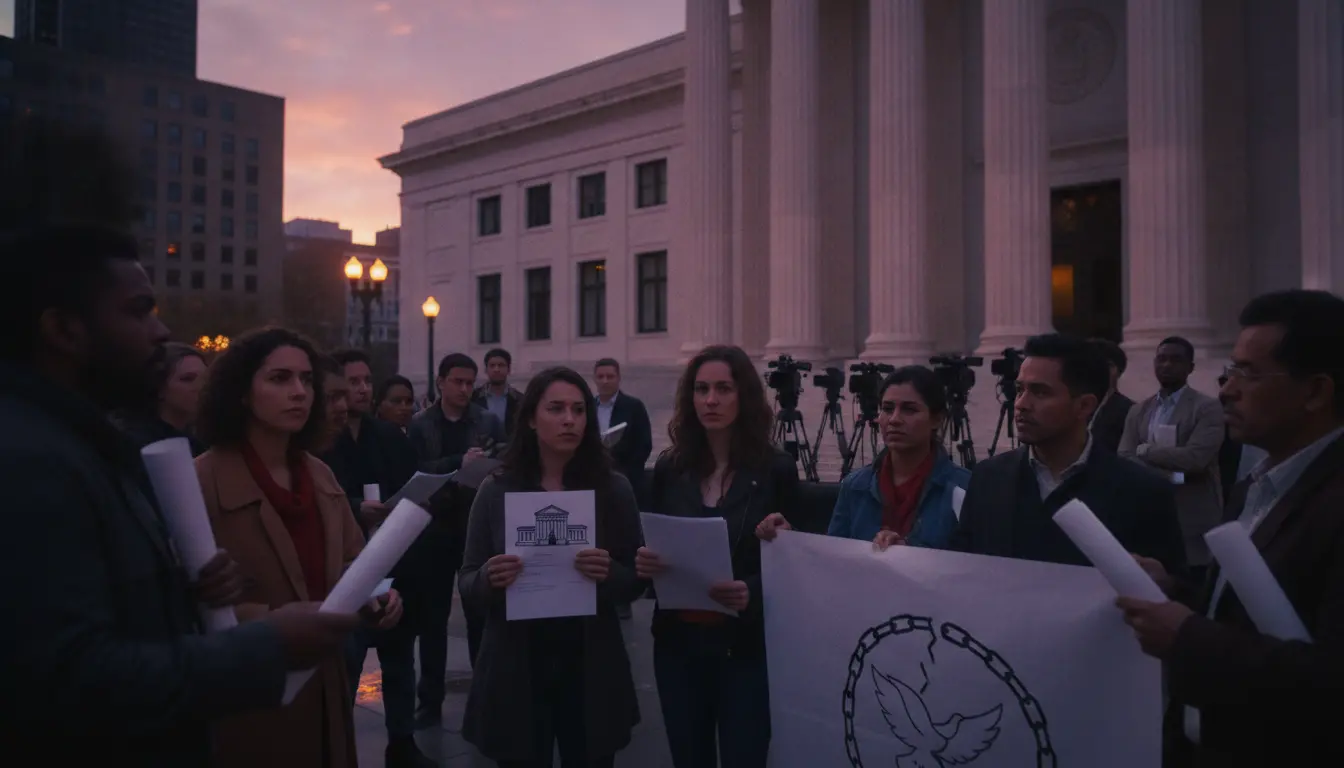
The United States Supreme Court's recent decision to uphold stringent asylum restrictions at the nation's southern border has ignited a renewed legal and political battle, with immigration advocacy groups and civil liberties organizations signaling their intent to mount further challenges. The ruling, which effectively maintains the Biden administration's controversial policies limiting who can apply for asylum and where, is seen by many as a significant setback for migrant rights and is poised to shape the future of U.S. immigration policy for years to come.Critics argue the restrictions undermine fundamental humanitarian protections, while proponents contend they are necessary to manage border flows and deter illegal crossings. At the heart of the controversy is a set of policies enacted by the current administration, often in response to unprecedented surges in migration.These measures generally impose strict conditions on asylum eligibility, including requirements for migrants to seek protection in countries they transit through before reaching the U. S.border, or to use specific official channels for entry. The Supreme Court's decision did not delve into the merits of the policy itself but rather allowed the administration to continue enforcing the rules while broader legal arguments unfold in lower courts.This procedural upholding, however, carries immense practical weight, affecting thousands of individuals seeking refuge and creating a bottleneck at official ports of entry, pushing many into perilous unauthorized crossings. Legal experts and human rights organizations have consistently argued that these restrictions contravene both U.S. asylum law, specifically Section 208 of the Immigration and Nationality Act, and international treaties such as the 1951 Refugee Convention and its 1967 Protocol.They contend that the principle of non-refoulement—which prohibits returning asylum seekers to a country where they face persecution—is being undermined. Furthermore, critics highlight the practical difficulties for migrants, many of whom are fleeing violence, poverty, and political instability, to navigate complex legal frameworks and technology-dependent appointment systems in transit countries where they may also face danger or lack resources.These systemic hurdles, they argue, effectively close off pathways to legal protection for many vulnerable individuals. The response from various advocacy groups has been immediate and resolute.Organizations like the American Civil Liberties Union (ACLU), Human Rights First, and numerous migrant aid agencies have pledged to explore every legal avenue available to contest the policies. This could involve filing new lawsuits in different federal circuits, seeking injunctions based on new factual circumstances or legal interpretations, or pushing for legislative action to codify or reform asylum laws.The aim is to bring cases that directly challenge the legality and constitutionality of the restrictions, arguing that they deny due process and violate established international and domestic protections for asylum seekers. The expectation is that such cases, if successful in lower courts, could eventually make their way back to the Supreme Court for a definitive ruling on the substance of the policy.The implications of the Court's stance extend beyond individual asylum seekers to the broader political landscape. Immigration remains a highly charged issue, particularly in an election year, and the ongoing legal battles underscore the deep divisions within American society regarding border security versus humanitarian obligations.The administration views these policies as critical tools for managing the border, contending that an open-ended asylum system encourages illegal migration and overburdens resources. Conversely, human rights advocates warn that abandoning long-standing asylum principles risks eroding America's moral standing and creating a precedent for other nations to shirk their international obligations.What is at stake is not merely a set of rules but the fundamental character of the U. S.as a haven for those fleeing persecution. As the legal challenges begin to coalesce, the spotlight will remain firmly on federal courts and the Supreme Court's future engagement with these complex issues.Any new case that directly confronts the legality of the asylum restrictions could significantly alter the trajectory of immigration policy, forcing a re-evaluation of the balance between national security interests and human rights. The path forward is expected to be protracted and contentious, with each ruling, whether from a district court or the highest bench, reverberating across the continent and impacting countless lives at the border.
#hottest news
#US Supreme Court
#Asylum Policy
#Immigration Law
#Border Security
#Legal Challenges
#Migrant Rights
#Biden Administration
#Civil Liberties
Stay Informed. Act Smarter.
Get weekly highlights, major headlines, and expert insights — then put your knowledge to work in our live prediction markets.
Related News

Comments
It's quiet here...Start the conversation by leaving the first comment.