

Hottest
Other
Paris Faces Growing Threat of 42°C Heatwaves as Climate Change Accelerates
RA
Rachel Adams
1 day ago7 min read
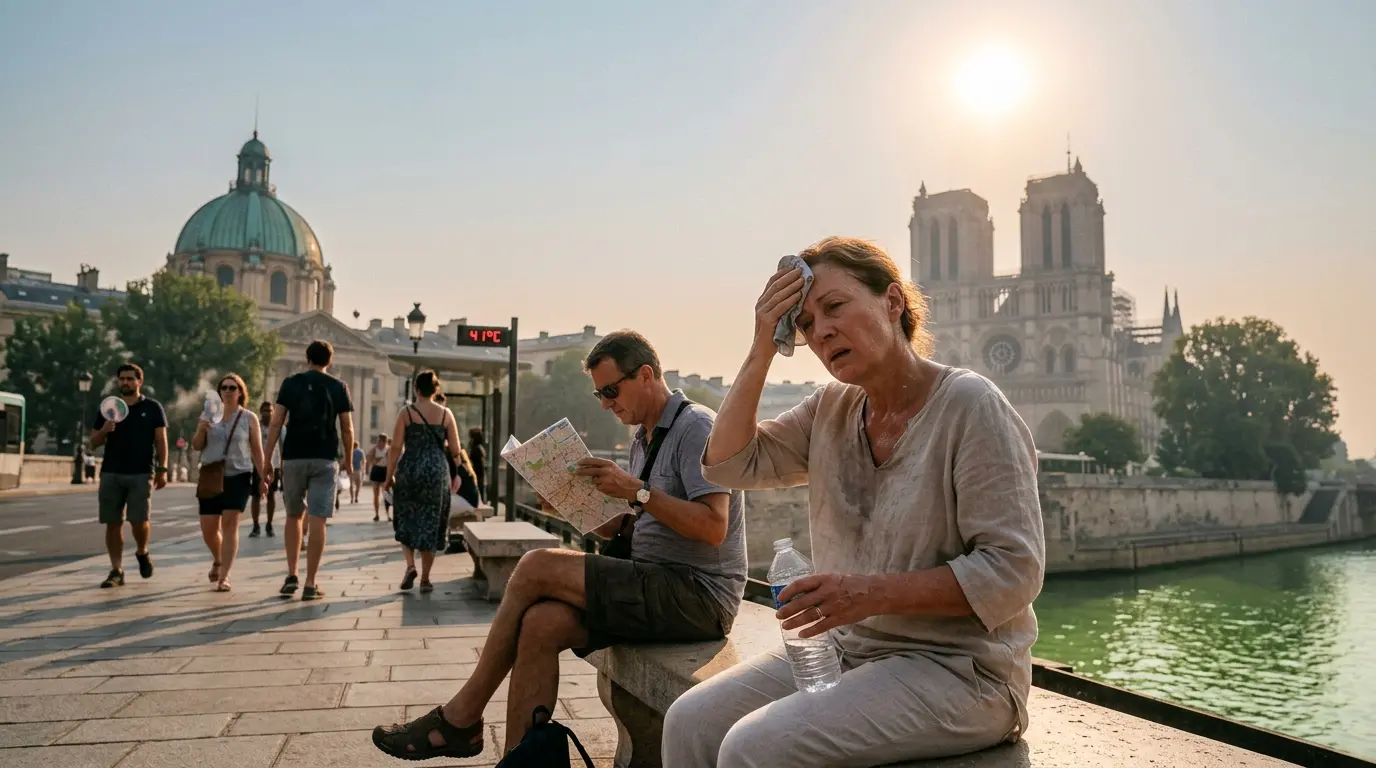
As Europe grapples with increasingly intense summers, Paris is confronting the alarming possibility of temperatures soaring to 42 degrees Celsius (107. 6°F) or higher, a threshold that once seemed unthinkable but now looms as a tangible threat.Climate scientists and meteorologists warn that the combination of global warming and the city's unique urban characteristics is creating a potent recipe for extreme heat events, pushing the French capital into a new and dangerous climate reality. This isn't a distant forecast but an accelerating trend that poses significant risks to public health, infrastructure, and the very fabric of daily life in one of the world's most densely populated cities.The benchmark of 42°C is not arbitrary. It represents a significant leap beyond historical norms and inches perilously close to the city's all-time record of 42.6°C, set during the scorching pan-European heatwave of July 2019. That event served as a stark reminder of the deadly 2003 heatwave, which claimed an estimated 15,000 lives in France and exposed the nation's vulnerability.Scientists at Météo-France, the country's national weather service, have repeatedly noted that climate change is making such extremes more frequent and more intense. What was once a once-in-a-century event is now becoming a once-in-a-decade, or even more frequent, occurrence.Paris is particularly susceptible due to the well-documented "urban heat island" effect. The city's dense concentration of concrete, asphalt, and stone absorbs and retains solar radiation far more effectively than natural landscapes.At night, these materials slowly release the accumulated heat, preventing the city from cooling down and offering little respite to its residents. This phenomenon can make temperatures within the city center several degrees warmer than in surrounding rural areas.The iconic zinc rooftops of Parisian apartment buildings, while aesthetically charming, become powerful heat conductors in the summer, further exacerbating indoor temperatures in the many apartments that lack air conditioning. In response to this escalating threat, Parisian authorities have been accelerating adaptation strategies.The city's "Plan Climat" includes ambitious goals for greening the urban landscape by planting thousands of trees, creating new parks, and installing vegetated walls and roofs to mitigate the heat island effect. During heatwaves, officials activate a multi-tiered alert system, opening public cooling centers—dubbed "îlots de fraîcheur" or "islands of coolness"—in schools and municipal buildings, extending public pool hours, and installing temporary misters and fountains.Public health campaigns are also a critical component, focused on educating residents, particularly the elderly and vulnerable, on the dangers of heatstroke and dehydration. However, these adaptation measures are running a race against a rapidly changing climate.The challenge extends beyond the borders of Paris, reflecting a continent-wide crisis. Cities from Seville to Berlin are rewriting their playbooks for summer, confronting the reality that their infrastructure, built for more temperate climates, is ill-equipped for recurring bouts of African or Saharan-level heat.The strain on energy grids from air conditioning, the risk of wildfires in urban peripheries, and the impact on tourism and agriculture are all pressing concerns. For Paris, the looming threat of a 42°C summer is a powerful symbol of this new era, forcing a fundamental reevaluation of what it means to live, work, and thrive in a warming world.
#hottest news
#Paris
#Heatwave
#Climate Change
#Extreme Weather
#France
#Météo-France
#Urban Heat Island
Stay Informed. Act Smarter.
Get weekly highlights, major headlines, and expert insights — then put your knowledge to work in our live prediction markets.
Related News

1 week ago
Trump's 'Project 2025' Puts Kennedy Center and Other Cultural Institutions in Crosshairs

1 week ago
My two sons will inherit a $30,000 annuity from their grandmother. What should I do with the money?

1 week ago
My mother was co-owner of my late grandmother’s bank account. Should she share the money with her siblings?

Hottest1 week ago
Ethereum Foundation loses another key leader as co-executive director Hsiao-Wei Wang resigns

Hottest1 week ago
Matthew McConaughey-Woody Harrelson Comedy ‘Brothers’ Gets Apple TV Premiere Date

Comments
It's quiet here...Start the conversation by leaving the first comment.