

Other
Europe Faces Deepening Heatwave Crisis as Fatalities Mount Across Continent
AN
Anna Wright
2 days ago7 min read
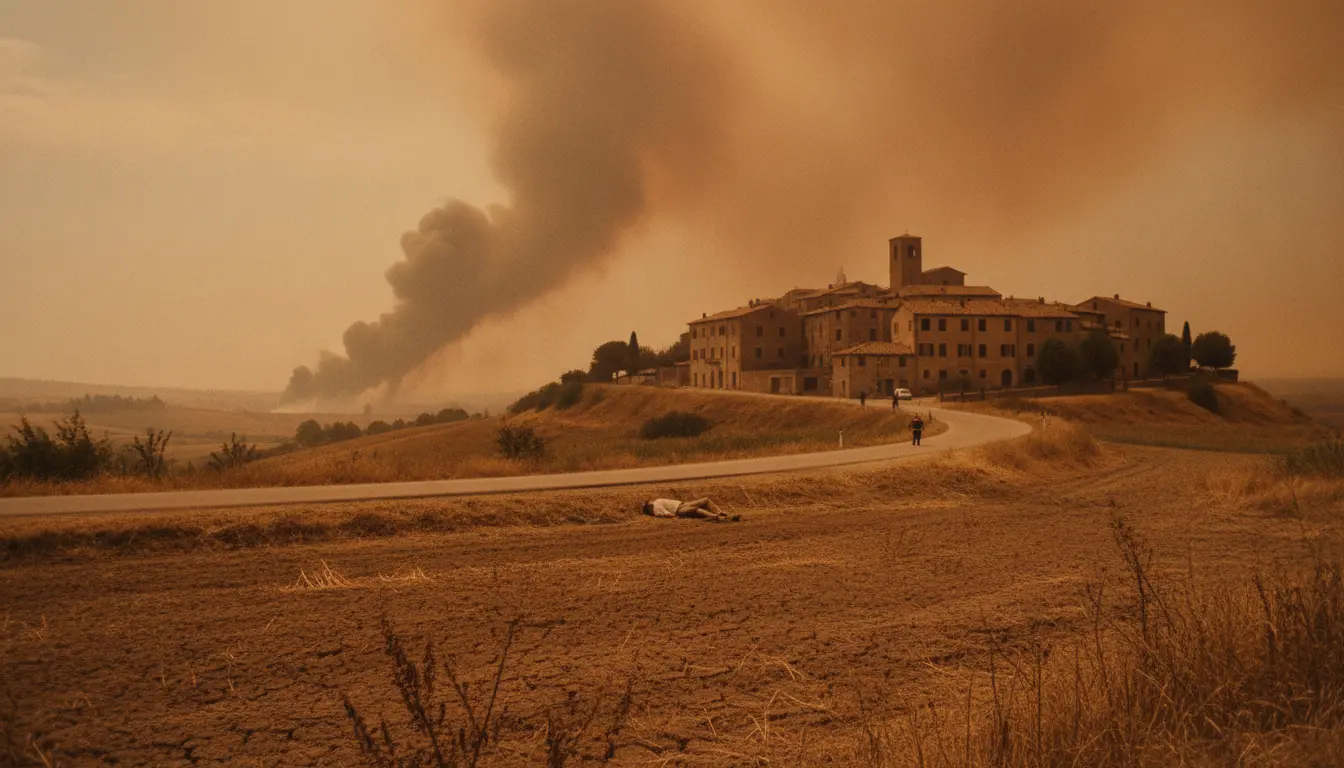
Europe is currently confronting a severe and escalating heatwave, triggering widespread concern as countries grapple with soaring temperatures and a mounting human toll. The continent, particularly its southern and central regions, is experiencing extreme conditions that have already claimed hundreds of lives, placing immense strain on public health systems and emergency services.This intense weather phenomenon is not an isolated event but rather a stark manifestation of broader climate trends, prompting urgent calls for robust adaptation strategies and a re-evaluation of long-term climate policies. The immediate impact has been devastating.Spain, one of the hardest-hit nations, has reported an alarming number of heat-related deaths within a short timeframe, underscoring the lethal potential of these extreme temperatures. The fatalities are primarily among vulnerable populations, including the elderly, infants, and individuals with pre-existing health conditions, who are particularly susceptible to heatstroke, dehydration, and the exacerbation of chronic illnesses.Hospitals across affected areas are witnessing a surge in emergency room visits, stretching resources and personnel already under pressure. Beyond Spain, other nations like Italy, France, Portugal, and parts of Central Europe are also registering unprecedented temperatures, prompting similar public health warnings and emergency protocols.Experts from meteorological agencies and climate science institutes confirm that these recurrent and intensifying heatwaves are consistent with projections related to global climate change. Scientific consensus points to human-induced climate warming as a primary driver, leading to more frequent, longer-lasting, and hotter extreme weather events.The current heatwave follows a pattern seen in previous years, which have brought records not just in temperature but also in associated mortality and economic disruption. The urban heat island effect, where cities experience higher temperatures than surrounding rural areas due to dense infrastructure and lack of green spaces, further amplifies the danger for densely populated areas.Governments across Europe have initiated various measures to mitigate the crisis. These include issuing red alerts, activating emergency response plans, opening cooling centers, distributing water, and providing specific advice to vulnerable groups on staying safe.Public awareness campaigns are also critical, urging citizens to limit outdoor activity during peak hours, stay hydrated, and recognize symptoms of heat-related illness. However, the scale and persistence of the current heatwave are testing the limits of these conventional responses, raising questions about the adequacy of existing infrastructure and public health preparedness for a future defined by more extreme weather.The long-term implications of such escalating heatwaves extend far beyond immediate fatalities. There are significant economic costs associated with reduced productivity due to outdoor work restrictions, damage to agricultural yields, increased energy demand for cooling, and the strain on healthcare systems.Ecologically, prolonged heat and drought conditions heighten the risk of wildfires, impact biodiversity, and stress water resources, potentially leading to cascading environmental crises. The current situation serves as a critical reminder for European leaders to accelerate efforts in both climate mitigation, by reducing greenhouse gas emissions, and adaptation, by building resilient communities and infrastructure capable of withstanding the inevitable impacts of a changing climate.As temperatures continue to fluctuate and the peak summer months approach, the focus remains on protecting human life and health. The current crisis underscores the urgent need for a unified and comprehensive European strategy to address the escalating threat of extreme heat.This includes investing in early warning systems, urban planning that incorporates green infrastructure and cooling solutions, and robust public health interventions tailored to the specific vulnerabilities exposed by these increasingly frequent and intense weather phenomena. The ongoing events are a clear signal that climate change is not a distant threat but a present reality demanding immediate and sustained action from all levels of governance and society.
#featured
#Heatwave
#Europe
#Climate Change
#Public Health
#Extreme Weather
#Spain
#Mortality
Stay Informed. Act Smarter.
Get weekly highlights, major headlines, and expert insights — then put your knowledge to work in our live prediction markets.
Related News

1 week ago
Trump's 'Project 2025' Puts Kennedy Center and Other Cultural Institutions in Crosshairs

1 week ago
My two sons will inherit a $30,000 annuity from their grandmother. What should I do with the money?

1 week ago
My mother was co-owner of my late grandmother’s bank account. Should she share the money with her siblings?

Hottest1 week ago
Ethereum Foundation loses another key leader as co-executive director Hsiao-Wei Wang resigns

Hottest1 week ago
Matthew McConaughey-Woody Harrelson Comedy ‘Brothers’ Gets Apple TV Premiere Date

Comments
It's quiet here...Start the conversation by leaving the first comment.